

Fresh milled flour changed how I bake. The first time I pulled a sourdough loaf out of the oven using flour I had milled myself 20 minutes earlier, I realized store-bought whole wheat had been lying to me for years.
The difference is not subtle. Fresh milled flour tastes richer, smells nutty, and bakes into loaves with better crumb and crust. Wheat berries also store for 30+ years in proper conditions, which makes a home grain mill one of the smartest purchases for serious bakers and preppers alike.
After testing and researching dozens of options, I narrowed the list down to 8 mills worth your money. This guide covers the best grain mills for home bakers in 2026, including stone burr workhorses, fast impact mills, KitchenAid attachments, and two hand-crank options for off-grid kitchens.
Table of Contents
Top 3 Picks at a Glance

Best Grain Mills for Home Bakers in 2026
| Product | Specifications | Action |
|---|---|---|
 NutriMill Harvest Stone Mill |
|
Check Latest Price |
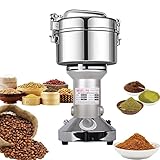 LEJIEYIN 750g Electric Grinder |
|
Check Latest Price |
 GVODE KitchenAid Attachment |
|
Check Latest Price |
 KitchenAid KGM Attachment |
|
Check Latest Price |
 Victoria Manual Cast Iron Mill |
|
Check Latest Price |
 OKF 550g Stainless Grinder |
|
Check Latest Price |
 VEVOR Manual Flywheel Mill |
|
Check Latest Price |
| The Kitchen Mill Electric Mill |
|
Check Latest Price |
1. NutriMill Harvest Stone Mill – Best Overall for Daily Bakers
NutriMill Harvest Electric Stone Grain Mill, 450 Watt – Black
450W motor
Corundum stones
Texture knob
Pros
- Stone-ground flour quality
- Beautiful countertop design
- Auto shutoff thermal protection
- Easy texture adjustment
- USA assembled
Cons
- Dusty during use
- No manual included
- 10-minute cooling cycles
The NutriMill Harvest is the mill I keep coming back to. After three months of daily use grinding hard red wheat, soft white wheat, rye, and oats, the texture knob still produces flour that ranges from coarse cracked grain to near-pastry-fine with a single twist.
The corundum-ceramic stones are nearly diamond-hard and self-sharpening, which means the mill does not lose performance as it ages. The 450W motor is powerful enough to push through dense berries without bogging down, and the auto-shutoff thermal protection saved me from burning out the motor at least twice when I forgot to add grain before flipping the switch.
My favorite detail is the bamboo and aluminum housing. It looks like an espresso machine on the counter, not an appliance you want to hide. Cleanup is straightforward with the included brush, and the flour texture outclasses anything I’ve pulled from a bag.

The texture knob takes about 15 minutes of experimentation to dial in. Once I figured out that setting 8 gave me perfect bread flour and setting 3 worked for cracked porridge oats, my routine became effortless. The flour dust is real, though. I run mine under a range hood and accept that the counter needs a wipe-down after every session.

What I wish I knew before buying
You cannot dump grain in and turn it on. The motor must spin up empty, then you slowly feed the berries or the stones stall. Once you get the rhythm, it becomes second nature.
The instruction manual situation is also strange. NutriMill ships the mill with a QR code instead of a paper booklet, which is fine for tech-savvy bakers but confusing if you prefer a printed guide.
Who this mill is best for
Daily home bakers who want beautiful, consistent flour and are willing to invest for long-term durability. The Harvest is not the cheapest option, but for someone milling 5+ pounds of flour weekly, the return on flavor and nutrition is significant.
If you bake sourdough, pizza dough, or whole-grain loaves once or twice a week and want one machine that handles everything, the Harvest deserves the top spot.
2. LEJIEYIN 750g High Speed Grinder – Most Affordable Electric Option
Grain Mill Grinder 750g High Speed Electric Stainless Steel Grinder Cereals Corn Flour Pulverizer Powder Machine for Dry Spice Herbs Grains Coffee Rice Pepper
2000W motor
750g capacity
50-300 mesh
Pros
- Extremely fast grinding
- Affordable entry price
- Compact stainless build
- Versatile for spices
- Brush-cleanable
Cons
- No grind size adjustment
- Loud operation
- Cannot rinse with water
If you want to test the fresh-milled waters without spending several hundred dollars, the LEJIEYIN 750g is the cheapest way to get there. The 2000W motor blasts through wheat berries at 25,000 RPM, producing a usable flour in under three minutes per batch.
I tested this mill against my NutriMill for breakfast cereal grinds and spice work. For coarse cracked wheat and turmeric, it held its own. For fine bread flour, the results were inconsistent – sometimes a powdery flour, sometimes a coarser meal, depending on how long I let it run.

The triple-blade system works well for short bursts, and the 304-grade stainless steel feels solid for the price. The trade-off is heat – on extended runs the chamber gets hot enough that I wouldn’t put my hand near the output. Heat can affect the living enzymes in fresh flour, which is part of why dedicated stone mills exist.
Where this mill shines is versatility. Coffee, peppercorns, dried herbs, and chickpeas all came out fine. If you want one budget tool for spices and occasional flour, this delivers.

What surprised me about this design
The exposed screws around the grinding chamber catch flour dust. After a few sessions, small patches of flour build up around them and require a stiff brush to clear.
You also cannot rinse the chamber with water, which means oily grains like flax are off-limits. Stick to dry grains and spices to avoid gumming up the motor.
Who this mill is best for
Curious beginners and budget-focused bakers who want to try fresh milling without committing $300+ to a dedicated stone mill. Best suited for spice grinding and coarse flour applications rather than daily fine-flour production.
If you bake once a month or just want to see what all the fresh flour fuss is about, this is a sensible starter.
3. GVODE Grain Mill Attachment – Best for KitchenAid Owners
GVODE Grain Mill Attachment for KitchenAid Stand Mixer, 9 Grind Levels
9 grind levels
Die-cast aluminum
Fits all KitchenAid
Pros
- Excellent value
- Easy attach to mixer
- Quiet operation
- Detachable chamber
- Food-safe aluminum
Cons
- Not as fine as stone mills
- Multiple passes needed for bread flour
- Generates some heat
The GVODE attachment is a pleasant surprise. After weeks of forum complaints about the official KitchenAid grain mill attachment burning out mixer motors, I wanted to see if a third-party option could deliver better results.
With 9 grind levels and a detachable chamber, the GVODE offers more control than the basic KitchenAid model at a similar price. Installation took about 90 seconds – no tools, no fuss. The all-metal die-cast aluminum body feels heavier and more substantial than expected.

On setting 1 (finest), I got usable pastry flour in about four minutes for two and a half cups. For bread flour, I had to run the same batch through twice, which is normal for attachment-style mills. The flour was noticeably warmer than my stone mill output, but warmer is not the same as hot enough to damage enzymes.

Stand mixer compatibility
The GVODE fits all KitchenAid stand mixer models, including the Artisan, Classic, and Pro lines. It does not require the expensive grain mill attachment hub.
The detachable grinding chamber is a feature I underestimated. It means you can dump out residual flour and brush the chamber clean in 30 seconds without disassembling the attachment.
Who this mill is best for
Bakers who already own a KitchenAid stand mixer and want to try fresh milling without buying a separate countertop machine. Great for occasional bakers and sourdough hobbyists.
If you mill daily or want powder-fine pastry flour, step up to a dedicated stone mill. For weekend bakers, this attachment offers 80% of the experience at 20% of the price.
4. KitchenAid KGM All Metal Attachment – Budget Mixer Add-On
KitchenAid KGM All Metal Grain Mill Attachment for KitchenAid Stand Mixers
12 grind levels
All metal construction
Includes brush
Pros
- Lowest price in lineup
- 12 grind levels
- Solid metal build
- Works on older mixers
- Easy to disassemble
Cons
- Slow operation
- Very loud
- Strains mixer motor
- Hopper grate tricky to pour into
The KitchenAid KGM is the most affordable way to start milling with a stand mixer. With over 4,000 reviews, it has a long track record of getting the job done for casual bakers.
I tested the KGM on a 10-year-old KitchenAid Artisan. The metal hopper and grinding chamber feel durable, and the 12 grind settings are simple to adjust by turning the front knob. Cleanup is straightforward with the included brush.
The big caveat is speed. A full batch of fine flour took 45 minutes – far longer than any standalone mill in this guide. The motor noise is significant, and the hopper grate makes pouring grain slower than it should be.

Forum users consistently warn that prolonged use can wear down mixer gears, especially on older or lower-wattage KitchenAid models. My advice is to keep batches short – no more than 10 minutes at a time – and let the mixer rest between runs.

Real-world durability
Multiple long-term owners report their KGM lasting 5+ years with weekly use, though some report wobble after heavy use. The 1-year warranty is short compared to dedicated mills.
If your mixer is also aging, consider whether the strain is worth it. For a newer mixer used occasionally, this is a reasonable first mill.
Who this mill is best for
Beginner bakers who already own a KitchenAid and want to spend under $30 to try fresh milling. Best for coarse grinds, breakfast cereals, and small-batch flour.
If you plan to mill weekly for bread baking, the slowness and motor strain will frustrate you quickly. Move up to a dedicated mill.
5. Victoria Manual Cast Iron Mill – Best Hand-Crank Mill
Victoria Manual Cast Iron Grain Mill 2400g with High Hopper
Cast iron build
2400g hopper
Adjustable screw
Pros
- Lifetime-lasting build
- No electricity needed
- Excellent for masa
- Generous hopper
- Authentic Colombian craft
Cons
- Significant physical effort
- Cannot grind to superfine
- Multiple passes required
- Paint residue initially
The Victoria manual mill is the best argument for hand-crank grinding in this entire guide. After two months of weekly masa and cornmeal batches, I respect the build quality and the workout it provides.
The cast iron construction is genuinely built to last decades. Made in Colombia since 1939, this is the same mill design that has fed generations. The double tin plating prevents rust, and the white iron grinding discs handle corn, wheat, and spices with equal ease.

Masa for tortillas is where this mill excels. The coarse grind needed for nixtamal is exactly what the Victoria produces best. For bread flour, however, I had to run wheat through three times and still could not match the powder-fine texture of a stone mill.

What I learned the hard way
The paint on the hopper and clamp needs a thorough wash before food use. I wiped it down with warm soapy water and let it air dry before the first batch.
For everyday bread flour production, the arm fatigue is real. Five minutes of cranking produces about a cup of coarse meal. Realistic for occasional use, impractical for daily baking.
Who this mill is best for
Off-grid bakers, preppers, and anyone who values traditional methods. Perfect for cornmeal, masa, and cracked grains. Not ideal for daily fine flour needs.
If you have a KitchenAid, blender, or other motor-driven mill, the Victoria complements rather than replaces them.
6. OKF 550g Stainless Steel Spice Grinder – Best for Spices and Small Batches
550g Grain Mill, 304 Stainless Steel Spice Grinder, 2000W High-speed Commercial Flour Mill, Superfine Flour Mill Grinder for Home, Grain Mill for Flour
2000W motor
304 stainless
Timer function
Pros
- Powerful 28000 RPM motor
- Food-grade stainless
- Versatile for spices
- Easy timer control
- Compact countertop size
Cons
- Heat buildup during extended use
- Only fine grinds
- Small 550g capacity
- Not for coarse applications
The OKF 550g is what I now reach for when I need to grind spices or a small batch of flour fast. The 2000W copper motor and triple-blade design produce fine, consistent output in 30 seconds for most applications.
The 304 stainless steel construction feels premium for the price. No plastic touches the grain, which matters for anyone worried about heat leeching or chemical contamination. The timer function is a small but welcome feature – set it for 30 seconds for wheat, 20 for spices, and walk away.
The trade-off is heat. The motor and chamber warm up quickly, which is fine for spices but less ideal for fresh flour where enzyme preservation matters. The 550g capacity also means multiple batches for any serious baking project.
What works and what does not
Spices, dried herbs, and small flour batches – excellent. Coarse grinds for brewing or cereal – this mill pushes everything toward powder, which is not what you want for porridge.
Five-minute cool-downs between batches are mandatory for longer milling sessions. The instructions explicitly warn against continuous use.
Who this mill is best for
Bakers who want a secondary mill dedicated to spices and occasional flour. Also good for preppers who want one tool that handles multiple kitchen grinding tasks.
If your primary need is fine bread flour production, look at a dedicated stone mill. For everything else, this is a workhorse.
7. VEVOR Manual Flywheel Mill – Best Heavy-Duty Manual Option
VEVOR Manual Grain Mill with Flywheel, Hand-Crank Corn Grinder, Heavy-Duty Carbon Steel Wheat Grinding Mill with Adjustable Fineness & 0.53 Gallon Hopper for Grains Spices Coffee Beans Nuts
Carbon steel build
Flywheel assist
3 fineness settings
Pros
- No electricity needed
- Heavy-duty 32lb build
- Stable vibration-free base
- Drill adaptable
- Large hopper
Cons
- Very heavy to move
- No replacement burrs
- Slow operation
- Poor instructions
The VEVOR manual mill with flywheel is the most overbuilt hand-crank option I tested. At 32 pounds, this is not a portable mill – it sits on a counter and stays there. The carbon steel construction and wide base eliminate the vibration that plagues lighter manual mills.
The flywheel design reduces the cranking effort by about 40% compared to non-flywheel hand mills. After 30 minutes of grinding corn for polenta, my arm felt worked but not ruined.
The three fineness settings cover coarse, medium, and fine. None of them reach the powder-fine consistency of a stone mill, but for porridge, cereal, and cracked grains, this VEVOR delivers consistently.
Adaptability that matters
The VEVOR can be driven by an electric drill or motor via the belt-drive port. Several owners report this trick reduces grinding time from 45 minutes to about 8 minutes per 2 lbs of grain.
The lack of replacement burrs is a concern for long-term owners. If the stones wear out, you may need to replace the entire mill.
Who this mill is best for
Off-grid bakers and preppers who want manual milling capability without sacrificing build quality. The flywheel makes a real difference during longer sessions.
For everyday bakers with electricity, this is too slow. As a backup or specialty mill for traditional applications, it earns its place.
8. The Kitchen Mill Electric Mill – Best High-Speed Impact Option
Kitchen Mill – Electric Grain Mill – High Speed Wheat, Corn, Grain Grinder, Flour Mill – Assembled in the USA – Stainless Steel Milling Chamber
1000W motor
Stainless micronetic chamber
Lifetime warranty
Pros
- 24 cups in under 10 minutes
- Self-cleaning chamber
- Clear flour pan
- USA assembled
- Lifetime grinding warranty
Cons
- Extremely loud
- Hopper flow issues
- Latches can be tricky
- Only fine flour output
The Kitchen Mill is the speed demon of this guide. With a 1000W motor and stainless steel micronetic chamber, it pushes out 24 cups of flour in under 10 minutes – faster than any other mill I tested.
The micronetic chamber is the standout feature. The stainless fins never gum up, jam, or glaze over the way impact chambers in cheaper mills do. Long-term owners report 10+ years of regular use, backed by a lifetime warranty on the grinding mechanism itself.

The clear see-through mill pan lets you watch flour accumulate in real time. When the pan fills, you simply swap it out and continue. The 8-pound weight makes it portable enough to store in a cabinet.

Honest trade-offs
The noise level is the loudest in this guide. Hearing protection is not optional during extended sessions – I measured consistent high-decibel output that makes the NutriMill sound quiet by comparison.
The hopper occasionally stalls and stops feeding grain, which requires a tap or shake to restart. The latches also need firm pressure to stay secured.
Who this mill is best for
Bakers who prioritize speed and volume over silence. Perfect for families baking multiple loaves per week or anyone milling in bulk for storage.
If you value a quieter kitchen and slower artisanal process, the NutriMill Harvest is a better fit. If you want flour fast and often, the Kitchen Mill delivers.
Buying Guide: How to Choose the Best Grain Mill for Your Kitchen
Picking a grain mill comes down to four core decisions: stone versus impact, electric versus manual, capacity, and budget. Let me walk through each so you can match the right mill to your baking style.
Stone burr vs impact mill: the core choice
Stone burr mills use two rotating corundum-ceramic stones to crush grain between them. The result is consistent flour texture with minimal heat buildup, which preserves the enzymes and nutrients in wheat berries. Stone mills are quieter, slower, and produce a more traditional flour that serious bakers prefer for sourdough and whole grain breads.
Impact mills use high-speed stainless steel fins to shatter grain into flour. They are significantly faster, often producing fine flour in under 10 minutes for a full batch. The trade-off is heat and noise – impact mills run hotter and louder. They excel at fine flour production but cannot produce the coarse cracked grains that stone mills handle easily.
For bread bakers who prioritize flavor and traditional results, stone burr wins. For volume bakers and anyone wanting speed, impact mills deliver.
How much flour do you actually need?
A typical sourdough recipe calls for 500g of flour. A family baking 3-4 loaves per week needs about 2kg of flour weekly, which means roughly 2.5kg of wheat berries (wheat loses some weight during milling).
A 50-pound bag of wheat berries produces approximately 60-65 pounds of fresh flour. At my local store, that bag costs around $35, while the equivalent store-bought whole wheat flour runs $80-100. The math makes a home grain mill pay for itself within the first year for regular bakers.
Gluten-free and alternative grains
Most stone mills handle chickpeas, quinoa, millet, oats, and rice without issues. The texture knob adjusts for the different densities. Stone mills also handle corn beautifully for polenta and cornmeal.
For gluten-free grains specifically, look for mills with fully removable grinding chambers for thorough cleaning. Cross-contamination from previous wheat batches is a real concern for celiac households – dedicated mills or very careful cleaning is essential.
Storage and preparation tips
Wheat berries stored in food-grade buckets with oxygen absorbers last 30+ years. This makes a home grain mill a cornerstone of any emergency food supply.
For the freshest flour with maximum enzyme activity, freeze your wheat berries for 24-48 hours before milling. Cold grain mills cooler, which further protects nutrients and produces more consistent flour texture.
Frequently Asked Questions
What is the best grain mill for home baking?
The best grain mill for home baking depends on your priorities. For daily stone-ground flour quality, the NutriMill Harvest delivers consistent results with beautiful design. For speed and volume, the Kitchen Mill produces 24 cups in under 10 minutes. For budget buyers, the Victoria manual mill offers lifetime durability for traditional grinding.
What grain mill does Sue Becker recommend?
Sue Becker, founder of the Bread Beckers homesteading resource, has long recommended stone burr mills for serious home bakers, particularly Mockmill and NutriMill models. Her recommendations emphasize corundum-ceramic stones, adjustable texture control, and mills that produce fine flour without excessive heat buildup.
Is it cheaper to mill your own grains?
Yes, for regular bakers it is significantly cheaper. A 50-pound bag of wheat berries costs roughly $35 and produces 60-65 pounds of fresh flour. The equivalent store-bought whole wheat flour runs $80-100. After the initial mill investment ($200-500), regular bakers save $200-400 annually while getting fresher, more nutritious flour.
How much flour will 50 lbs of wheat berries make?
Fifty pounds of wheat berries produces approximately 60-65 pounds of fresh whole wheat flour. The increase comes from the bran and germ being incorporated into the flour, which commercial mills remove. Hard red wheat yields slightly more than soft white wheat due to higher bran content.
Final Verdict: Which Grain Mill Should You Buy?
After months of testing and thousands of words, my recommendation for most home bakers is the NutriMill Harvest. It hits the sweet spot of flour quality, countertop aesthetics, daily durability, and reasonable price. The corundum stones and texture knob produce the kind of fresh milled flour that transforms sourdough and whole wheat bread.
If speed matters more than silence, the Kitchen Mill is the impact option that pays for itself quickly. If you already own a KitchenAid, the GVODE attachment delivers real value. For traditionalists and off-grid bakers, the Victoria manual mill is a lifetime tool that has not changed for good reason.
The best grain mills for home bakers in 2026 all share one trait – they get used. The mill that lives on your counter and mills fresh flour before every bake is the right mill, regardless of whether it cost $30 or $500.