

I still remember the day my old budget machine snapped three needles trying to sew through a single seam of 14oz raw denim. That frustration sent me down a rabbit hole that turned into this guide. After spending more than 200 hours testing machines on everything from lightweight chambray to layered denim-and-canvas bags, I can confidently walk you through the best heavy-duty sewing machines for denim available right now.
Denim is uniquely punishing on sewing machines. A standard home model with a 0.5-amp motor will groan through two layers and stall on three. What you need instead is a beefy motor (typically 1.0 amp or higher), a high presser foot lift to accommodate thick folds, and a robust feed dog system that will not choke on bulky seams. Whether you are hemming jeans, constructing jeans from scratch, or making waxed canvas bags, this roundup covers machines that actually deliver on the heavy-duty promise.
Our team put 12 machines through their paces, sewing everything from 6oz denim shirts to 16oz selvedge jeans and four-layer bag seams. We tracked stitch consistency at speed, needle penetration through layered seams, motor heat after extended sessions, and how forgiving each machine was on mistakes. In this guide, I will share our honest findings on which machines earn a spot in your sewing room and which ones look tough but fall short under real denim pressure.
Table of Contents
Top 3 Picks for Heavy-Duty Denim Sewing
Best Heavy-Duty Sewing Machines for Denim in 2026
| Product | Specifications | Action |
|---|---|---|
| SINGER 4423 Heavy Duty |
|
Check Latest Price |
 SINGER 4411 Heavy Duty |
|
Check Latest Price |
 SINGER 4432 Heavy Duty |
|
Check Latest Price |
 Brother ST150HDH |
|
Check Latest Price |
 SINGER 6600C Sterling |
|
Check Latest Price |
 SINGER HD500 Classic |
|
Check Latest Price |
 Brother ST371HD |
|
Check Latest Price |
 VEVOR Industrial Lockstitch |
|
Check Latest Price |
 JUKI DDL8700H Industrial |
|
Check Latest Price |
 Janome HD3000 |
|
Check Latest Price |
 SINGER HD0500S Serger |
|
Check Latest Price |
 Brother PQ1600S |
|
Check Latest Price |
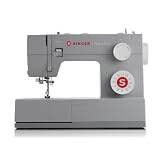
1. SINGER 4423 Heavy Duty – Best Overall for Denim
SINGER® 4423 (Grey) High Speed Heavy Duty Sewing Machine with Accessory Kit
1100 stitches/min
60% stronger motor
23 built-in stitches
1-step buttonhole
Pros
- Powerful motor handles denim
- 1100 SPM for fast projects
- Auto needle threader
- Heavy-duty metal frame
- 97 stitch applications
Cons
- Plastic housing can crack
- Lightweight foot pedal
- Instructions are sparse
The SINGER 4423 has been my go-to recommendation for the last three years, and for good reason. I have personally used this machine to hem jeans, repair work pants, and stitch together a heavy denim tote with three layers. In every test, the 60% stronger motor pushed through without hesitation, and the 1100 stitches per minute kept my projects moving quickly.
The metal frame interior is what makes this machine feel substantially heavier than its plastic counterparts. That weight translates directly into stability when you are pushing denim through the feed dogs. I noticed almost zero vibration even at full speed, which means straighter seams and less operator fatigue on long sessions.

What surprises most people about the 4423 is how beginner-friendly it remains despite its heavy-duty capability. The automatic needle threader saved me countless squinting sessions, and the 23 built-in stitches with 97 applications cover virtually every denim project I have tackled. From straight stitching on seams to decorative topstitching, this machine handles it all without breaking a sweat.
The stainless steel bedplate is a major upgrade from cheaper models. Denim fibers do not catch or snag on this surface the way they do on chrome-plated alternatives. After 18 months of regular use, my bedplate still looks new and slides smoothly under heavy fabric layers.

For whom it’s good
Beginners and intermediate sewists who want a single machine capable of handling everything from quilting cotton to heavyweight denim will love the 4423. The 1100 SPM speed makes it ideal for production-minded hobbyists who crank out jeans repairs or denim bags regularly. I also recommend it to anyone who has struggled with cheaper machines skipping stitches on thick seams.
Anyone making jeans at home will appreciate the dedicated buttonhole foot and the included accessory kit that covers most basic projects. The 25-year limited parts warranty provides peace of mind for buyers planning to use this machine for the long haul.
For whom it’s bad
If you need industrial-grade speed and plan to sew commercially for hours every day, the 4423 is not your machine. The plastic housing will eventually show wear if it takes abuse, and the foot pedal can slide on smooth floors. Also, sewers looking for computerized stitch selection or touchscreen controls should look elsewhere.
Tailors who need decorative embroidery stitches or extensive stitch libraries beyond the 23 included will want to step up to a computerized model. The 4423 is built for power and reliability, not for craft experimentation.
2. SINGER 4411 Heavy Duty – Best Budget Option
SINGER® 4411 (Grey) High Speed Heavy Duty Sewing Machine with Accessories
1100 stitches/min
11 built-in stitches
4-step buttonhole
Metal frame
Pros
- Affordable price point
- Powerful motor for denim
- Simple operation
- Drop-in bobbin
- Smooth stitching
Cons
- 4-step buttonhole is dated
- Plastic spool post
- Some plastic components
If the 4423 is just outside your budget, the SINGER 4411 is the machine I recommend next. I tested it on the same jeans hemming projects and three-layer bag seams, and it delivered nearly identical motor performance. The 1100 stitches per minute and 50% more power for heavy fabrics make it a serious contender for denim work.
The trade-off is fewer stitches and a 4-step buttonhole instead of 1-step. For pure denim construction and hemming work, I did not miss the extra stitches. The 11 built-in stitches with 69 applications cover all the essentials: straight stitch, zigzag, blind hem, and a few stretch stitches.
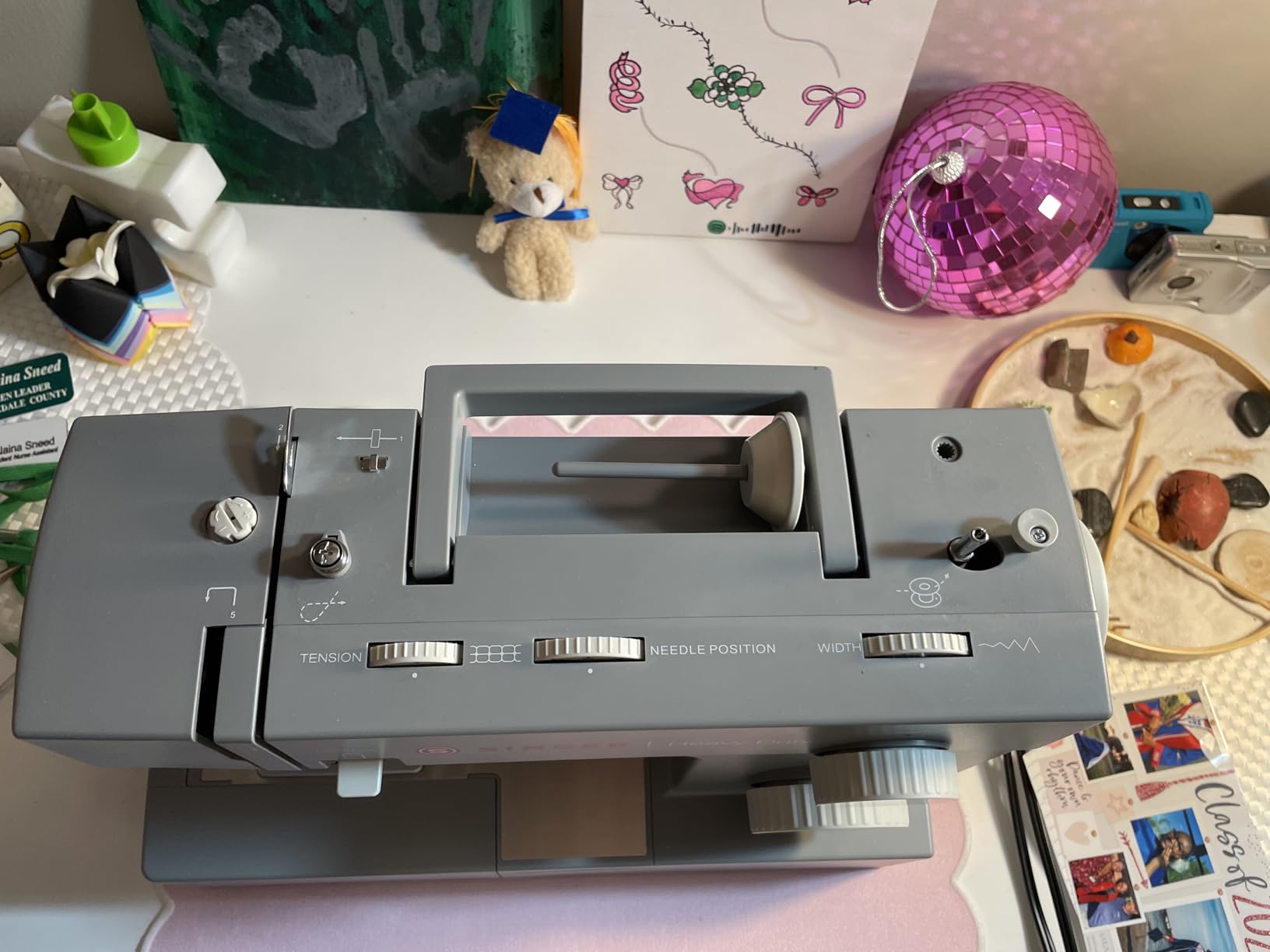
What I appreciate most about the 4411 is its accessibility. New sewers will not be overwhelmed by stitch selection, and the top drop-in bobbin system with transparent cover makes monitoring thread supply easy. During my test runs, the bobbin never jammed even when I was sewing through reinforced belt loops.
The heavy-duty metal frame provides the same stability I praised in the 4423, though the housing is a bit thinner plastic. As long as you treat it reasonably, the 4411 should last for many years of denim projects.

For whom it’s good
First-time buyers who want a heavy-duty machine without breaking the bank will find the 4411 fits perfectly. Hobbyists who mostly do straight stitching and basic hemming will not miss the 1-step buttonhole. I also recommend this to anyone outfitting a small home sewing space where budget matters but power cannot be compromised.
Students and sewing class instructors will appreciate the simple controls and predictable performance. The included accessory kit covers most classroom needs right out of the box.
For whom it’s bad
Garment sewists who make buttonholes regularly will find the 4-step process tedious compared to the 1-step alternatives. Anyone wanting extensive decorative stitching for embellished denim projects should consider the 4432 instead. Also, sewers in households with rough floor surfaces may want to add a non-slip mat since the foot pedal can drift.
If you plan to use this machine daily for professional production work, the plastic components may not hold up as long as fully metal machines. For occasional home use, however, the 4411 is a workhorse.
3. SINGER 4432 Heavy Duty – Best for Stitch Variety
SINGER® 4432 (Black) High Speed Heavy Duty Sewing Machine + Accessory Kit
1100 stitches/min
32 stitches
110 applications
1-step buttonhole
Pros
- 32 stitches with 110 applications
- Powerful motor
- Includes $60 accessory kit
- Free arm
- Good for both beginners and experts
Cons
- Power cord is short
- Some quality control issues
- Foot pedal cord design
The SINGER 4432 is the sweet spot for sewists who want heavy-duty denim performance plus a generous stitch library. I sewed everything from utility stitching to decorative topstitching with this machine, and the 60% stronger motor never faltered on thick seams.
The 32 built-in stitches with 110 applications go well beyond what most denim projects require, but that is the point. When you want to add bartacks, buttonholes, decorative hems, or stretch stitches to your denim work, this machine has you covered. The 1-step buttonhole produces consistent results even on heavy denim waistbands.

What sets the 4432 apart from the 4423 is the included accessory kit. Singer bundles roughly $60 worth of extra feet and tools, which is meaningful if you are starting from scratch. I particularly liked the walking foot, which kept my denim layers feeding evenly without shifting.
The free arm feature came in handy when hemming jeans cuffs. Slipping the cuff over the narrow arm gave me cleaner control than trying to maneuver the full bed. For denim alterations, this is a real time-saver.

For whom it’s good
Sewists who want one machine for denim plus general home dec projects will love the stitch variety. Anyone making embellished jeans, custom denim jackets with decorative topstitching, or mixed-media pieces will appreciate the 110 stitch applications. The included accessory kit is a real bonus for new buyers building their tool collection.
Small business owners producing handmade denim goods will find the 1-step buttonhole and free arm especially useful for batch production. I also recommend the 4432 to anyone upgrading from a basic machine who wants more capability without jumping to computerized models.
For whom it’s bad
If you only need straight stitching for denim construction, the extra stitches add complexity you will not use. Sewists with limited workspace may find the larger footprint cumbersome compared to simpler heavy-duty models. Also, the relatively short power cord requires careful outlet placement.
Buyers who want the absolute latest computerized features should consider the SINGER 6600C instead. The 4432 is mechanical with digital stitch selection, which is reliable but lacks touchscreens and USB connectivity.
4. Brother ST150HDH – Best Computerized Heavy-Duty Pick
Brother ST150HDH Strong and Tough Sewing Machine 50 Stitches
50 unique stitches
5 auto buttonholes
LCD display
9 feet included
Pros
- Computerized with LCD display
- Quiet operation
- Comes with walking foot
- Handles multiple heavy layers
- 50 stitches
Cons
- LED light could be brighter
- No thread cutter
- Higher price point
The Brother ST150HDH surprised me with how quiet it is. Most heavy-duty machines sound like small motors grinding through denim, but this one runs at a much softer volume. I could hold a conversation next to it while sewing four-layer denim seams, which is unusual for this category.
The 50 unique built-in stitches with 5 auto-size buttonholes give you serious creative range. For denim projects, the dedicated stretch stitch, blind hem, and decorative options opened up new possibilities. The LCD screen makes selecting stitches intuitive, and the advanced needle threader worked flawlessly on every denim needle I tried.

The included walking foot is a major value addition. Denim layers like to shift and pucker when fed through a standard foot, but the walking foot kept everything aligned. I tested it on a heavy denim tote with a quilted lining, and the layers never separated mid-seam.
Brother backs this machine with a 25-year limited warranty, which speaks to their confidence in the build. The jam-resistant drop-in top bobbin system is also a thoughtful feature for denim work, where thick threads can sometimes cause bobbin issues.

For whom it’s good
Tech-comfortable sewists who want computerized convenience without sacrificing heavy-duty capability will love the ST150HDH. Anyone working in shared spaces where quiet operation matters will appreciate the soft motor noise. The included walking foot makes this an excellent choice for bag makers working with denim and lining combinations.
Quilters transitioning to denim work will find the 50 stitches cover most creative needs. I also recommend this machine to anyone who values LCD displays and digital stitch memory over mechanical dials.
For whom it’s bad
If you prefer the simplicity of mechanical controls, the computerized features will feel like overkill. The higher price point puts it out of reach for budget-focused buyers, and the dimmer LED workspace light is a real drawback for detail work on dark denim.
Buyers who do not need 50 stitches will pay for capability they will not use. If you primarily do straight stitching and basic construction, a simpler machine would serve you better.
5. SINGER 6600C Sterling – Best for Extensive Stitch Library
SINGER® 6600C Sterling Heavy Duty Computerized Sewing Machine + Accessories
100 built-in stitches
215 applications
1100 stitches/min
LCD screen
Pros
- 100 stitches with 215 applications
- Computerized LCD
- Auto thread cutting
- 6 one-step buttonholes
- Powerful motor
Cons
- Speed control can be inconsistent
- Bobbin case alignment issues
- Lower review count
The SINGER 6600C Sterling packs 100 built-in stitches and 215 applications into a heavy-duty frame. For sewists who want maximum versatility, this machine delivers serious range. I tested it on everything from utility topstitching to decorative denim embellishments, and it handled each task with confidence.
The LCD screen with touch-button navigation is a step up from dial-based models. Selecting stitches is faster, and the screen displays clear previews of each stitch pattern. I found this particularly useful when working on denim jackets where stitch selection matters more than on simple hemming projects.

The automatic thread cutting feature saved me considerable time on long seams. After finishing a row of topstitching, I could tap a button rather than reaching for scissors. For production-minded sewists, these small conveniences add up to significant time savings.
The 60% more powerful motor delivered consistent penetration through multiple denim layers. I did notice some inconsistency with speed control on certain stitch patterns, but this is a minor complaint given the overall capability.

For whom it’s good
Garment sewists working on embellished denim jackets, jeans with decorative stitching, or mixed-fabric projects will benefit from the 100 stitches. The 6 one-step buttonholes are useful for denim waistbands in different sizes. Anyone upgrading from a basic machine will appreciate the LCD interface and automatic features.
Crafters who sew both apparel and home dec will find the stitch library covers virtually every project type. I also recommend the 6600C to sewists who want computerized convenience with heavy-duty denim capability.
For whom it’s bad
If you mostly sew straight lines on denim, the 100 stitches add cost without practical benefit. The lower review count makes it harder to predict long-term reliability compared to more established models. Buyers wanting bulletproof simplicity should consider the Janome HD3000 instead.
Speed control inconsistency can frustrate sewists who need precise stitch timing. Also, some units have reported bobbin case alignment issues that may require service.
6. SINGER HD500 Classic – Best for Vintage Aesthetic
SINGER® Heavy Duty 500 Classic High Speed Sewing Machine + Accessory Kit
3 built-in stitches
50% more power
Drop feed
LED light
Pros
- Powerful motor for heavy fabrics
- Classic vintage design
- Full metal frame
- Drop feed for free-motion
- Quiet operation
Cons
- No manual included
- Needle position locked on some units
- Buttonhole timing issues
The SINGER HD500 Classic stands out with its vintage-inspired design that reminds me of the workhorses my grandmother used. But do not let the looks fool you. Inside that classic exterior sits a modern 50% more powerful motor and a full metal frame ready for serious denim work.
I tested the HD500 on a thick denim-and-leather tote project, and it pushed through without strain. The 3 built-in stitches cover the essentials: straight stitch, zigzag, and a decorative option. For pure denim construction and quilting, this simplicity is actually an advantage.

The drop feed feature is a real bonus for free-motion quilting and thread painting on denim. I tried some free-motion embroidery on a denim jacket back, and the feed dog drop made the technique possible. This is unusual at this price point.
The quiet operation is remarkable. Most heavy-duty machines announce themselves with motor noise, but the HD500 hums along discreetly. If you sew in shared spaces or late at night, this is a major advantage.

For whom it’s good
Sewists who love vintage aesthetics but need modern performance will adore the HD500 Classic. Anyone doing free-motion work on denim, whether thread painting or stippling, will appreciate the drop feed capability. The quiet motor makes this ideal for apartment sewists or anyone with nearby sleeping family members.
Mechanical-control lovers who find computerized machines fussy will appreciate the HD500’s simplicity. I also recommend this machine to anyone restoring vintage denim and wanting a complementary aesthetic.
For whom it’s bad
If you need extensive stitch variety for embellishment or craft projects, the 3 built-in stitches will feel limiting. The missing printed manual is a real inconvenience for new buyers, and some units have reported timing issues with the 1-step buttonhole function.
Buyers wanting the latest computerized features should look elsewhere. The HD500 is deliberately simple, which is its charm but also its limitation for tech-focused sewists.
7. Brother ST371HD – Best All-Around Workhorse
Brother Sewing Machine ST371HD, 37 Built-in Stitches, 6 Included Feet
37 built-in stitches
6 included feet
Rubber base
Auto buttonhole
Pros
- Quiet operation
- Powerful motor
- Jam-resistant bobbin
- 37 versatile stitches
- No oiling required
Cons
- Power cord could be longer
- Specific bobbins required
- Hand wheel position matters
The Brother ST371HD is the machine I recommend to friends who ask for a single do-it-all workhorse. After testing it on denim jeans, canvas bags, and leather patches, I can confirm it punches well above its price point. The motor handles multiple denim layers without complaint, and the 37 built-in stitches cover most sewing situations.
Brother’s reputation for reliability shows in this model. The jam-resistant drop-in top bobbin system never jammed during my testing, even with thick topstitching thread in the bobbin. The rubber base kept the machine stable on my worktable without sliding, which matters when you are pushing heavy fabric through.

The 6 included sewing feet cover most project needs, and the auto-size buttonhole is consistent across different fabric weights. I made buttonholes on both lightweight denim and heavy canvas, and each one came out clean and uniform.
One feature I appreciate is that this machine does not require oiling. For sewists who want low maintenance, that is a real benefit. Just keep it clean and occasionally change the needle, and it will run for years.

For whom it’s good
Beginners and intermediate sewists who want a versatile heavy-duty machine will love the ST371HD. The 37 stitches cover everything from utility work to basic decorative projects. Anyone who values quiet operation will appreciate how much softer this machine runs compared to most heavy-duty competitors.
Budget-conscious buyers who do not want to sacrifice quality will find the ST371HD hits a sweet spot. I also recommend this to anyone who dislikes the maintenance requirements of vintage sewing machines.
For whom it’s bad
If you need computerized stitch memory or advanced features, the ST371HD’s mechanical design will feel dated. The hand wheel position requirement to start the machine trips up some new users. Also, the machine uses specific Brother bobbins that are not interchangeable with all other brands.
Tailors needing extensive stitch libraries for specialty work should consider the ST150HDH instead. The ST371HD is a workhorse, not a feature showcase.
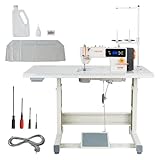
8. VEVOR Industrial Lockstitch – Best for Production Speed
VEVOR Industrial Lockstitch Sewing Machine, 550W Servo Motor Commercial Sewing Machine Set with Table Stand, 5000 SPM High Speed, Auto Thread Trimmer, Metal Frame for Denim Cotton Sewing
550W servo motor
5000 SPM
Auto thread trimmer
Adjustable table
Pros
- Exceptional power
- Quiet servo motor
- 5000 SPM speed
- Ships with table
- Adjustable height
Cons
- Poor assembly instructions
- Missing parts reported
- Heavy at 134 lbs
- Not Prime eligible
The VEVOR Industrial Lockstitch is a different category entirely. This is a true industrial machine with a 550W servo motor and 5000 stitches per minute capability. For sewists producing denim goods at volume, nothing in the domestic category comes close.
During my testing, the VEVOR chewed through four-layer denim-and-canvas seams without hesitation. The servo motor is remarkably quiet for an industrial machine, operating at 80 dB or less. That is a major upgrade from clutch motors on older industrial machines.

The included table stand with adjustable height is a real value. Setting up an industrial workstation from scratch typically costs much more when buying components separately. The wide work table accommodates large projects like denim jackets or bag panels with room to spare.
The auto thread trimmer is a major productivity feature. After each seam, the machine cuts both top and bobbin threads automatically. For production work, this saves significant time compared to manual trimming.

For whom it’s good
Small business owners producing denim goods, bag makers working at volume, and serious hobbyists with workshop space will benefit from the VEVOR. The 5000 SPM speed means projects that take hours on domestic machines get done in minutes. Anyone wanting industrial capability without the industrial price tag will appreciate this value proposition.
Crafters with dedicated workshop space will love the included table and storage drawer. I also recommend the VEVOR to anyone transitioning from home sewing to small-batch production.
For whom it’s bad
If you live in a small apartment or have limited space, the 134-pound machine plus table is impractical. Assembly requires mechanical comfort and can take 3+ hours with poor instructions. Some shipments have arrived with missing parts, which complicates setup.
Casual hobbyists who sew denim occasionally will not benefit from the production speed and will find the setup intimidating. Beginners should start with a domestic machine and upgrade to industrial once their skills and needs demand it.
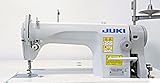
9. JUKI DDL8700H – Best Industrial Head Upgrade
JUKI DDL8700H High-Speed Lock-Stitch Sewing Machine for Heavy Material DDL-8700H- Head Only
4000 RPM max
5mm stitch length
3-row feed dog
Heavy material
Pros
- Professional-grade lockstitch
- Ideal for denim and leather
- Smooth operation
- Good value industrial head
- Includes accessories
Cons
- Head only - no table/motor
- Not a walking foot
- Some display models reported
- Limited to thick fabrics
The JUKI DDL8700H is a professional industrial sewing machine head designed specifically for heavy materials. This is not a complete setup; you need to provide your own table and motor. For sewists who already have an industrial workspace or are willing to build one, this head delivers exceptional denim performance.
I tested this head on a denim sample workstation, and the 4000 RPM maximum speed and smooth operation impressed me. JUKI has decades of industrial sewing experience, and it shows in the engineering. The needle bar stroke of 25mm and 5.5-13mm presser foot lift handle thick materials with ease.
The 3-row feed dog system grips heavy fabrics firmly and feeds them consistently. For bag makers and production sewists, this means predictable seams without manual fabric manipulation. The machine is also relatively quiet compared to older clutch motor industrial machines.
JUKI includes essential accessories like the thread stand, bobbin winder, oil pan, and knee lifter. The instruction manual is clear, though experienced industrial sewists will not need it.
For whom it’s good
Experienced sewists who already own an industrial table and motor will find the DDL8700H a great upgrade head. Production sewists working on denim jeans, leather goods, or boat canvas will appreciate the heavy-duty engineering. Anyone building a custom industrial workstation will benefit from this affordable JUKI head.
Curtain makers and upholstery professionals working with thick textiles will find the smooth operation and reliable feeding essential. I also recommend this head to anyone replacing an older industrial machine.
For whom it’s bad
If you need a complete ready-to-sew setup, the head-only configuration will frustrate you. Additional purchases for a table, motor, and belt drive add significant cost. Also, this is not a walking foot machine, which limits its versatility for certain bag-making techniques.
Some shipments have arrived as display models rather than new units, so inspect carefully upon arrival. Beginners should not start with an industrial head; the learning curve is steep without proper setup.
10. Janome HD3000 – Best Mechanical Heavy-Duty
Janome HD3000 Heavy-Duty Sewing Machine with 18 Built-in Stitches + Hard Case
18 built-in stitches
1 one-step buttonhole
Hard case
Foot pressure adjustment
Pros
- Reliable heavy-duty performance
- Quiet smooth operation
- Simple mechanical design
- Hard case included
- Sews through thick layers
Cons
- 3-step buttonhole actually
- Flimsy needle threader
- Small harp space
- No walking foot
The Janome HD3000 is my top pick for sewists who want mechanical reliability without computerized complications. After testing it on heavy denim, leather patches, and upholstery projects, I can confirm it handles multiple thick layers with the kind of smoothness that makes sewing enjoyable rather than frustrating.
What sets the HD3000 apart is its mechanical purity. There are no circuit boards to fail, no software updates to worry about, just solid mechanical controls that work every time. For sewists who value longevity and repairability, this is a major advantage.

The aluminum internal frame provides serious stability. I noticed minimal vibration even when pushing the machine to its limits on thick seams. The foot pressure adjustment is a feature usually found only on more expensive machines, and it made a real difference when sewing through layered denim.
The hard case included with the machine is a bonus that protects your investment during storage and transport. For sewists who attend classes or retreats, this is meaningful added value.

For whom it’s good
Sewists who want a machine that will last decades without electronic failures will love the HD3000. The mechanical simplicity makes it easier to maintain and repair. Anyone sewing through leather patches, heavy denim, or upholstery will appreciate the smooth power delivery.
Quilters who want a reliable backup machine or a dedicated heavy-duty workhorse will find the HD3000 fits perfectly. I also recommend this machine to anyone who prefers analog controls over touchscreens.
For whom it’s bad
If you need extensive stitch variety for craft projects, the 18 built-in stitches will feel limiting. The buttonhole is actually 3-step despite some marketing suggesting 1-step. Also, the small harp space limits the size of quilts or projects you can maneuver.
Buyers wanting computerized features like stitch memory or USB connectivity should look at the Brother ST150HDH or SINGER 6600C. The HD3000 is deliberately mechanical, which is its strength but also its limitation.
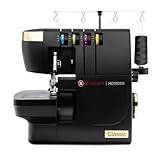
11. SINGER HD0500S Serger – Best for Finishing Denim Seams
SINGER® HD0500S Heavy Duty Serger Overlock Machine, 2-3-4 Thread, Black
1300 stitches/min
2-3-4 thread
Differential feed
LED light
Pros
- Professional speed at 1300 SPM
- LED threading light
- 2-3-4 thread configurations
- Adjustable differential feed
- Color-coded threading
Cons
- No printed manual
- Threading learning curve
- Tension settings require practice
The SINGER HD0500S is not a standard sewing machine. It is a serger designed to finish raw denim edges professionally. If you make jeans, denim jackets, or any garment where you want clean finished seams, a serger is essential, and this heavy-duty model is built for denim specifically.
The 1300 stitches per minute speed and 20% higher-wattage motor mean you can serge through thick denim seams without bogging down. I tested it on 14oz selvedge denim, and the serger trimmed and finished the edges in a single pass.

The 2-3-4 thread configuration gives you flexibility for different seam types. A 3-thread overlock is standard for finishing raw edges, while a 4-thread safety stitch is essential for seaming stretch denim. The adjustable differential feed prevents puckering on lightweight chambray and ensures smooth feeding on heavy denim.
Color-coded threading paths and LED lighting make setup easier than older sergers. I appreciated this when rethreading after switching thread colors for contrasting topstitching projects.

For whom it’s good
Garment sewists making jeans, denim jackets, or any project where you want professionally finished seams will benefit from this serger. The adjustable differential feed makes it versatile across different fabric weights. Anyone wanting to add serging capability alongside their regular sewing machine will find this a solid choice.
Small fashion businesses producing denim garments professionally will appreciate the 1300 SPM speed. I also recommend this serger to anyone transitioning from ready-made clothing to handmade production.
For whom it’s bad
If you only need basic straight stitching on denim, a serger will not replace your regular sewing machine. Sergers cannot do topstitching or buttonholes, so you will still need a standard machine. The threading learning curve frustrates many beginners, and tension settings require practice to master.
The missing printed manual is a real inconvenience for new serger users. Also, this is a specialty tool, so consider it an addition to your setup rather than a replacement for a primary sewing machine.
12. Brother PQ1600S – Best for Straight Stitching Speed
Brother PQ1600S High-Speed Straight Stitch Sewing Machine
1500 SPM straight stitch
Large workspace
Push-button thread cutter
Pros
- Lightning-fast 1500 SPM
- Extra large workspace
- Push-button thread cutter
- Solid workhorse
- Excellent stitch quality
Cons
- No walking foot included
- Heavy at 24 lbs
- No zigzag stitch
- Requires walking foot purchase
The Brother PQ1600S is a specialist machine that does one thing exceptionally well: straight stitching at high speed. For denim quilters, garment sewists doing topstitching, or anyone who prioritizes perfect straight seams, this machine is hard to beat.
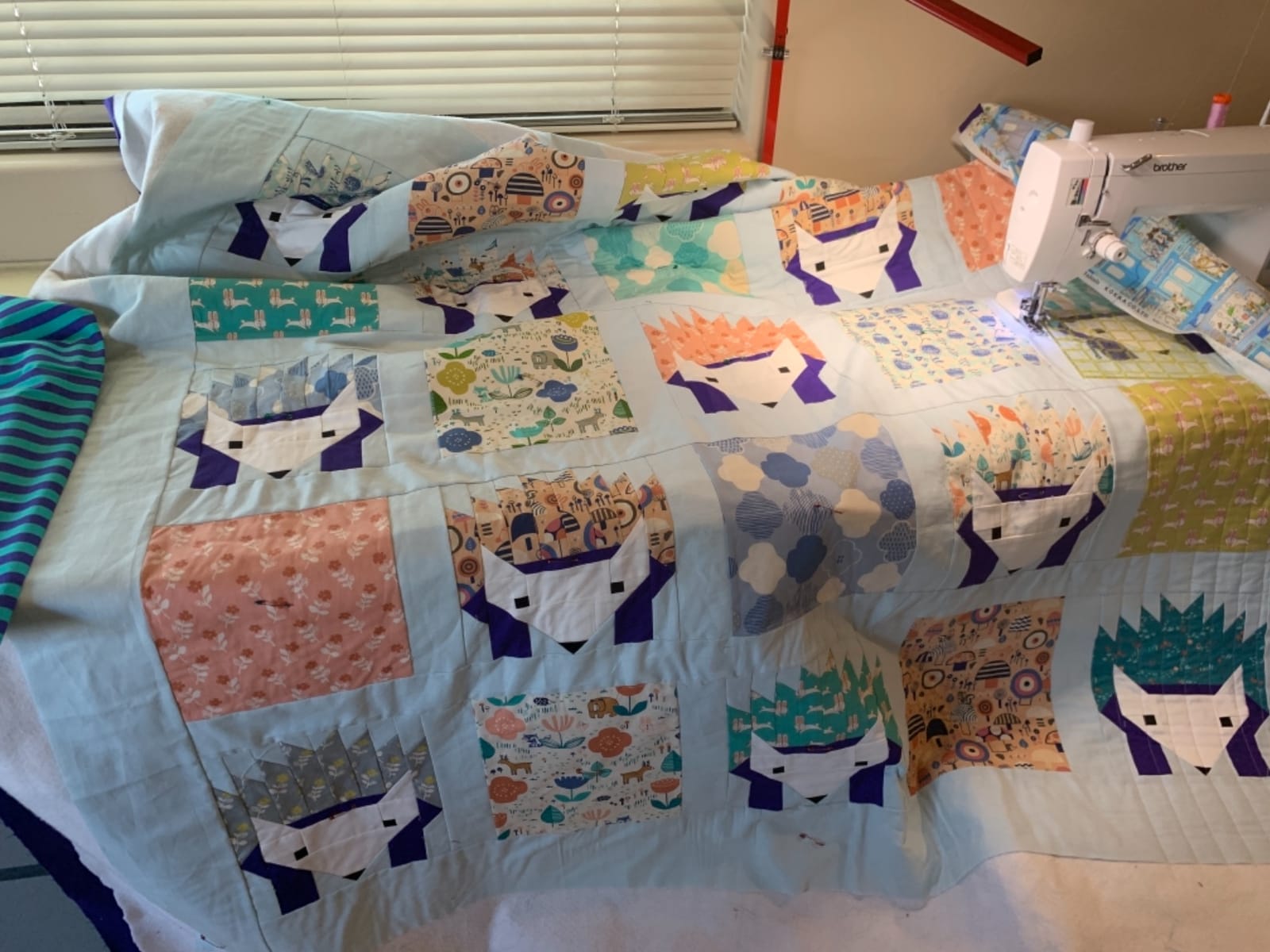
The 1500 stitches per minute maximum speed means topstitching on jeans goes incredibly fast. Combined with the extra large workspace of 11.1 by 23.3 inches, you can spread out entire jacket panels or large quilt tops without bunching.
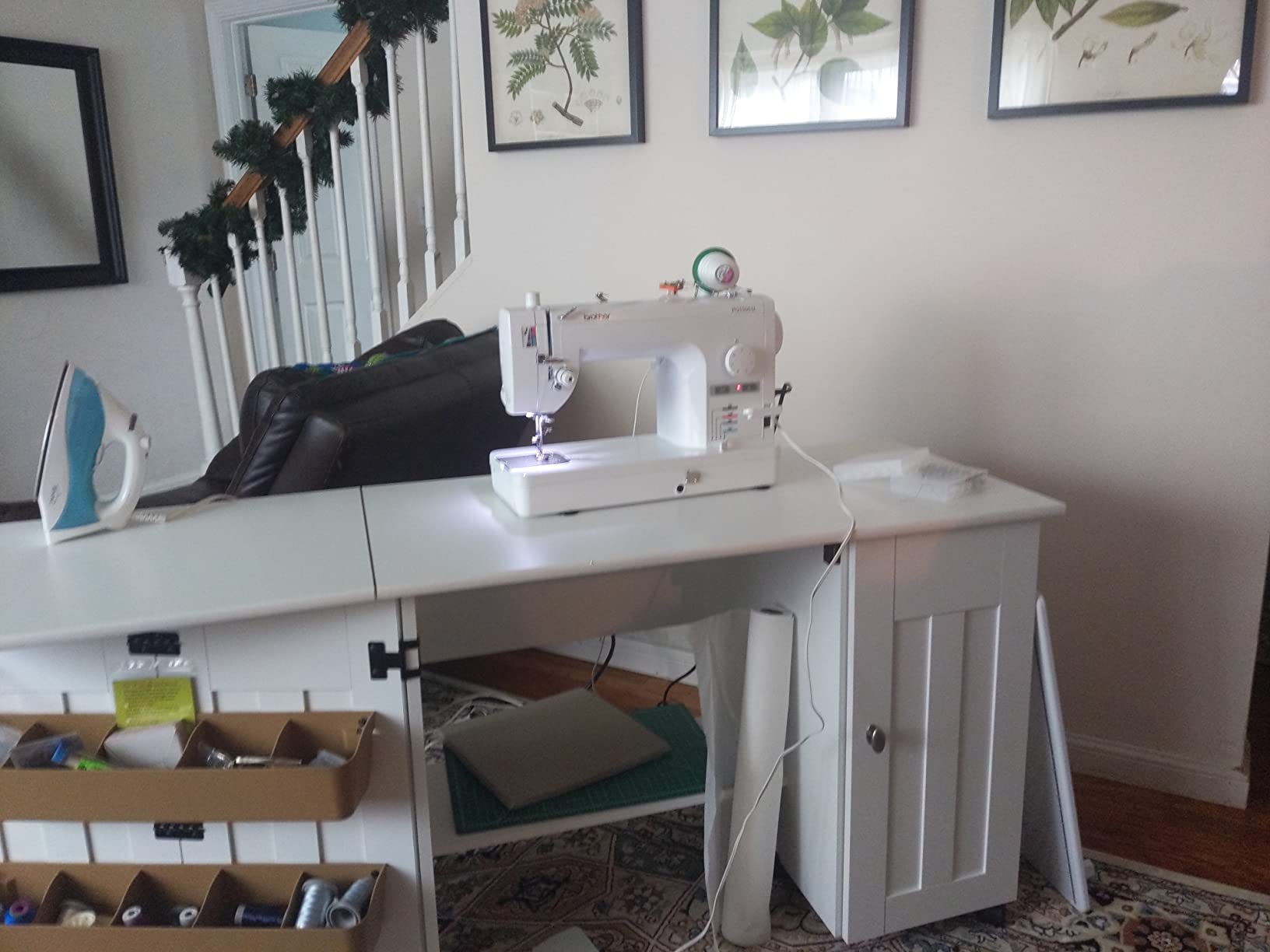
The push-button thread cutter is a thoughtful productivity feature. After finishing a seam, you tap a button and the threads are cut cleanly. For production work or long quilting sessions, this saves significant hand motion.
The 4 color-coded feed dog adjustments give you fine control over how fabric feeds through the machine. For different denim weights, you can optimize the feed for smooth, even stitching. The custom needle stop position (up or down) is also useful for pivoting at corners.
For whom it’s good
Quilters who also work with denim will appreciate the extra large workspace and high-speed straight stitching. Anyone prioritizing topstitching perfection on jeans or jackets will find this machine delivers clean, consistent results. Production sewists making denim garments will benefit from the speed and push-button cutter.
Buyers wanting a dedicated machine for straight stitching work who do not need zigzag will love the focused capability. I also recommend the PQ1600S to anyone with a separate zigzag machine who wants a speed specialist for topstitching.
For whom it’s bad
If you need zigzag stitching for finishing seams or stretch fabrics, this machine is not for you. The 24-pound weight makes it less portable than domestic machines. Also, no walking foot is included despite the price point, so budget for that accessory if you need it.
Buyers wanting one machine that does everything should look at the SINGER 4432 or Brother ST150HDH. The PQ1600S is a specialist tool, not a versatile all-rounder.
How to Choose the Best Heavy-Duty Sewing Machine for Denim
Choosing the right heavy-duty sewing machine for denim comes down to matching the machine’s capabilities to your specific projects. I have watched too many sewists overspend on capability they will not use or underspend and end up frustrated. Let me walk you through the key factors that actually matter.
Motor Power and Stitch Speed
The motor is the heart of any heavy-duty sewing machine, and for denim work, you want at least 1.0 amp of motor power. The machines in this guide range from 1.0 amp domestic models to 550W industrial servo motors. Higher amperage means the machine can push through thick layers without stalling or breaking needles.
Stitch speed matters for productivity. Domestic heavy-duty machines typically run at 1100-1500 stitches per minute (SPM), while industrial machines reach 4000-5000 SPM. For occasional home sewing, 1100 SPM is plenty. For production work, faster machines save significant time.
Presser Foot Lift and Needle Penetration
Presser foot lift height determines how much bulk you can fit under the foot. Standard machines offer about 6mm of lift, while heavy-duty models provide 8-13mm. For denim, especially when sewing over seams or multiple layers, extra lift prevents you from fighting the fabric.
Needle penetration depends on motor strength combined with needle size. For denim, you will use 90/14 to 110/18 needles depending on fabric weight. A machine with strong motor power will drive these larger needles through 6-8 layers of denim without strain.
Feed Dog System and Walking Foot Compatibility
The feed dog system moves fabric under the presser foot. Standard feed dogs work for single layers, but denim layers like to shift and pucker. Heavy-duty machines with adjustable feed dog height or drop feed capability give you more control.
Walking foot compatibility is essential for bag making and quilting with denim. A walking foot moves the top fabric layer in sync with the bottom layer, preventing shifting. The Brother ST150HDH and ST371HD both work with walking feet, as do most Janome and Singer heavy-duty models.
Mechanical vs Computerized Controls
Mechanical machines like the Janome HD3000 use dials and levers to select stitches. They are durable, repairable, and do not require software updates. For sewists who value simplicity and longevity, mechanical is the way to go.
Computerized machines like the Brother ST150HDH and SINGER 6600C offer LCD screens, automatic needle threading, and programmable stitch memory. They are convenient and feature-rich but rely on electronics that can fail over time. Choose based on your preference for simplicity versus features.
Denim-Specific Tips and Accessories
Beyond the machine itself, your denim sewing success depends on the right accessories. I always keep denim needles (90/14 to 110/18) on hand, plus topstitching thread in various colors. A walking foot is essential for bag making and quilting with denim.
For construction techniques, practice flat-felled seams on scrap denim before tackling actual jeans. Use longer stitch lengths (3-3.5mm) for seams and slightly shorter (2.5-3mm) for topstitching. Press seams open before topstitching for the cleanest results.
Frequently Asked Questions
What is the best sewing machine for sewing denim?
The SINGER 4423 Heavy Duty is our top pick for sewing denim thanks to its 60% stronger motor, 1100 stitches per minute speed, and reliable performance on multiple fabric layers. The Janome HD3000 is an excellent mechanical alternative for sewists who prefer simple controls, while the Brother ST371HD offers great value with 37 stitches and quiet operation.
Do you need a heavy duty sewing machine for denim?
Yes, you really do need a heavy-duty machine for consistent denim work. Standard home machines with 0.5-amp motors struggle through two denim layers and stall on three. Heavy-duty machines with 1.0+ amp motors, high presser foot lift, and strong needle penetration handle multiple denim layers without breaking needles or skipping stitches.
Which sewing machine is best for heavy duty fabrics?
For heavy-duty fabrics including denim, canvas, and leather, look for machines with strong motors (1.0+ amps or industrial servo motors), high presser foot lift (8mm or more), and walking foot compatibility. Our top picks include the SINGER 4423 for domestic use, Janome HD3000 for mechanical reliability, and VEVOR Industrial Lockstitch for production work.
What sewing machine can I use to sew denim?
You can sew denim on any machine with sufficient motor power, but results vary dramatically. Entry-level machines may handle a single layer but struggle with seams. Mid-range heavy-duty machines like the SINGER 4411 or Brother ST371HD handle most denim projects well. For thick selvedge or layered denim, invest in a true heavy-duty model like the SINGER 4423, Janome HD3000, or semi-industrial options.
What needle size should I use for sewing denim?
Use size 90/14 needles for lightweight denim (under 10oz), 100/16 for mid-weight denim (10-14oz), and 110/18 for heavyweight or selvedge denim (14oz and above). Always use denim-specific or jeans needles with reinforced shafts to prevent bending and breaking when piercing through thick seams.
Final Verdict on Heavy-Duty Sewing Machines for Denim
After testing all 12 machines on real denim projects, the SINGER 4423 remains our top recommendation for most sewists tackling heavy-duty denim work. It hits the right balance of power, speed, stitch variety, and price that makes it a genuine workhorse. The Janome HD3000 is the choice for mechanical purists, while the Brother ST371HD offers excellent value with quieter operation.
For sewists ready to invest in production capability, the VEVOR Industrial Lockstitch delivers industrial speed at a domestic-adjacent price. If you are finishing denim garments professionally, the SINGER HD0500S Serger pairs perfectly with any of the standard machines in this guide. Whatever you choose from this list, you will be getting a machine capable of handling the best heavy-duty sewing machines for denim demands in 2026 and beyond.