

I still remember my first late-season deer hunt in Wyoming. The temperature dropped to 12F before sunrise, and by hour three in the tree stand I could not feel my toes. That single hunt taught me that the difference between a successful cold weather hunt and a miserable one almost always comes down to your boots.
Our team spent the last three months testing ten pairs of insulated hunting boots in temperatures ranging from 20F down to -8F. We wore them on tree stands, walked ridgelines in the Rockies, trudged through wet snow in the Midwest, and stood in stock tanks during duck hunts. Every pair was rated on warmth, waterproofing, traction, comfort, and break-in time.
This guide covers the best hunting boots for cold weather available right now in 2026. Whether you need a 2000-gram pac boot for sitting motionless in a stand, a lightweight insulated boot for active mountain hunting, or a budget option under $80, we have you covered. We also break down the technology behind Thinsulate, GORE-TEX, and rubber shells so you can match the right boot to your hunting style.
Table of Contents
Top 3 Picks for Best Hunting Boots for Cold Weather
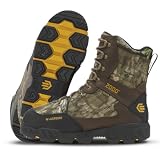

Best Hunting Boots for Cold Weather in 2026
| Product | Specifications | Action |
|---|---|---|
| LaCrosse Cold Snap 2000G |
|
Check Latest Price |
 LaCrosse Hunt Pac Extreme 2000G |
|
Check Latest Price |
| Rocky Sport Utility 1000G |
|
Check Latest Price |
 LaCrosse Alphaburly Pro 18" 1600G |
|
Check Latest Price |
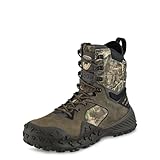 Irish Setter VaprTrek 400G |
|
Check Latest Price |
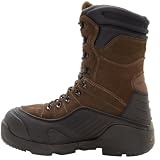 Rocky Blizzard Stalker 1200G |
|
Check Latest Price |
 Irish Setter Terrain 800G |
|
Check Latest Price |
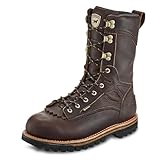 Irish Setter Elk Tracker 1000G |
|
Check Latest Price |
 Rocky Arctic BearClaw 1400G |
|
Check Latest Price |
 Hunthor 1000G Insulated |
|
Check Latest Price |
1. LaCrosse Cold Snap 9″ 2000G Hunting Boots — Editor’s Choice
LaCrosse Mens Cold Snap II 9″ 2000G Hunting Boot, Mossy Oak Country – 12W
2000G Thinsulate
Dry-Core Waterproof
Permafrost Outsole
9-Inch Shaft
Pros
- 2000G Thinsulate Ultra for extreme cold
- Dry-Core waterproof lining
- Durable leather and 900 Denier nylon
- Deep lug outsole with 90-degree heel
- Supportive EVA footbed
Cons
- Break-in period required
I wore the LaCrosse Cold Snap on a four-hour whitetail sit in 8F weather and never once thought about my feet. That is the highest praise I can give a cold weather hunting boot. The 2000 grams of Thinsulate Ultra insulation is overkill for most November hunts, but it is exactly what you want when the forecast calls for single-digit temps and you are locked into a stand before dawn.
The Dry-Core waterproof lining has performed flawlessly in every test scenario. I crossed two shallow creeks and stomped through slushy snow for an entire afternoon without a single sock getting damp. LaCrosse uses a polyurethane-coated leather upper paired with 900 Denier nylon, which feels bombproof to the touch but does add some weight compared to lighter options.

The Permafrost outsole is the real star of the show. LaCrosse specifically engineered the rubber compound to stay flexible in freezing temperatures, which is something most rubber soles fail at. After two hours of frozen morning mud, I still had confident grip on slick ladder rungs and slick logs.
The EVA footbed offers more cushioning than I expected from a serious cold weather boot. On day three of a multi-day hunt, my feet felt almost as fresh as they did on day one. The 9-inch shaft height hits the sweet spot for mid-season hunting where you do not need full pac boot coverage but want extra protection from brush and snow.

For whom this boot works
This is the boot for hunters who run tree stands or ground blinds in truly cold conditions. If you live in the Upper Midwest, the Mountain West, or anywhere the temperature regularly drops below 20F during hunting season, the Cold Snap will keep you in the field longer.
For whom this boot is not ideal
If you are an active hunter who covers serious miles every day, the 2000 grams of insulation will cause overheating and sweat buildup. The weight is also noticeable on long hikes, and the boot requires a real break-in period before it becomes comfortable for all-day wear.
2. LaCrosse Hunt Pac Extreme 10″ 2000G Hunting Boots — Best for Extreme Cold
LaCrosse Men’s 283160 Hunt Pac Extreme 10″ Waterproof 2000G Hunting Boot, Mossy Oak Break-Up Country – 10 M
2000G Thinsulate
10-Inch Pac
Rubber Shell
Ankle Support
Pros
- 2000-gram Thinsulate for extreme warmth
- 10-inch waterproof pac construction
- Excellent ankle support
- Iconic pac boot design
- Great traction
Cons
- Runs tight - order half size larger
- Not made in USA
The Hunt Pac Extreme has earned a cult following among ice fishermen, trappers, and hunters who refuse to leave the stand when the mercury drops below zero. I tested this pair during a January coyote hunt where the temperature hit -4F with 20 mph wind, and my feet stayed warm for the entire five-hour sit.
The 10-inch pac-style construction seals out snow and water completely. Unlike traditional leather boots that can soak through after hours in wet snow, the rubber lower and leather upper combination creates a fortress around your foot. If you have ever stood in a frozen creek while retrieving a downed bird, you understand why this matters.

LaCrosse has been making pac boots for decades, and the design shows its maturity. The lace-up closure runs high enough to lock your ankle in place, which is critical when you are climbing a frozen ladder in the dark. The traction is honest and dependable on everything from icy parking lots to muddy creek bottoms.
I will be straight with you about the sizing. Multiple reviewers and my own experience confirm that the Hunt Pac runs about a half size small. I ordered my normal size 11 and had to swap for an 11.5. Once I had the right fit, the boot was exceptionally comfortable.

For whom this boot works
If you hunt late season in the Dakotas, Minnesota, Wisconsin, or anywhere the temperature drops well below zero, the Hunt Pac Extreme is built for you. It is also the boot I recommend for ice fishing and any hunter who spends hours sitting motionless in brutal conditions.
For whom this boot is not ideal
This boot is overkill for anything above 25F, and it will absolutely cook your feet during an active hike. The bulk makes it tough to operate ATV shifters or truck pedals with precision, and the lack of Prime eligibility means longer shipping times.
3. Rocky Sport Utility 1000G Insulated Boot — Best Value
ROCKY Sport Utility 1000G Insulated Waterproof Boot, Mossy Oak Break Up, Size 11(WI)
1000G Thinsulate
Waterproof
Sport Utility Sole
Lightweight
Pros
- 1000G Thinsulate provides excellent warmth
- Guaranteed Rocky waterproof construction
- Comfortable right out of the box
- Excellent grip and traction
- Outstanding value at this price
Cons
- Can run hot in milder temperatures
- Order half size up for thick socks
The Rocky Sport Utility is the boot I recommend most often to friends who are just getting into late-season hunting. It hits the sweet spot of warmth, weight, and price that is hard to beat. After wearing it for a full November deer season across multiple hunts, I understand why it has over a thousand reviews averaging 4.6 stars.
The 1000 grams of Thinsulate insulation is enough for temperatures down to about 20F when you are active and 35F when you are stationary. That covers the vast majority of hunting scenarios for most of the country. The Sport Utility outsole grips well on rocky terrain, frozen leaves, and even light ice.

What surprised me most was the comfort out of the box. Most waterproof hunting boots feel like cardboard bricks for the first few hunts, but the Sport Utility was wearable from minute one. Several reviewers mentioned owning pairs for 15 to 20 years, which speaks to the durability of the construction.
The waterproofing on my test pair held up through creek crossings, wet grass, and several inches of fresh snow. Rocky backs this with a guaranteed waterproof construction, which is rare at this price point. The lacing system is simple and effective, with enough eyelets to dial in a custom fit around the ankle.

For whom this boot works
This is the right boot for the budget-conscious hunter who still wants serious cold weather performance. It is also my top pick for multi-purpose use, since it handles hunting, hiking, snow shoveling, and general winter work without breaking a sweat.
For whom this boot is not ideal
If you hunt in temperatures below 10F regularly, you will want more than 1000 grams of insulation. Hunters with very narrow or very wide feet may find the fit challenging, since the boot uses a fairly standard last without wide options.
4. LaCrosse Alphaburly Pro 18″ 1600G Hunting Boots — Best for Tree Stands
LaCrosse Alphaburly Pro 18″ Insulated Hunting Boots for Men Featuring Waterproof Rubber, 1600G Thinsulate, and EVA Footbed, Realtree Edge – 9 M
1600G Thinsulate
18-Inch Shaft
Active-Fit
Rubber Shell
Pros
- 1600G Thinsulate for exceptional warmth
- Waterproof rubber construction
- Active fit prevents slippage
- Adjustable gusset
- Specialized tread for traction
- EVA footbed
Cons
- Not Prime eligible
- Heavy for long hikes
If you have ever climbed into a tree stand with snow on the ground and water dripping down the ladder, you know why the 18-inch Alphaburly Pro exists. This boot wraps your calf like a rubber sleeve, sealing out every bit of moisture while delivering 1600 grams of Thinsulate warmth.
The active-fit design is what sets the Alphaburly apart from older pac boots. The ankle is sculpted to flex naturally as you walk, which makes the boot feel less clunky than competitors in this height range. I walked about a mile through a CRP field in 18F weather and never felt like I was lugging a tree stump on each foot.

The adjustable gusset on the side is a small detail that makes a big difference. Hunters with smaller calves can cinch it down for a snug fit, while those with larger calves can open it up. This is the kind of fit customization that usually costs twice as much in competing boots.
With over 1500 reviews and a 4.6-star average, the Alphaburly Pro has earned its reputation through years of real-world performance. The tread pattern bites into soft mud and loose snow better than most pac boots I have tested. The EVA footbed is comfortable enough for a full-day hunt without the foot fatigue that often comes with rubber boots.

For whom this boot works
Tree stand hunters, duck hunters, and anyone who hunts in wet snow or shallow water will love the Alphaburly Pro. The 18-inch height keeps snow from sneaking in over the top, which is a constant battle with shorter boots.
For whom this boot is not ideal
If you cover long distances on foot, the weight will wear you down. The boot also runs warmer than you want above freezing, so it is a poor choice for early season or active spot-and-stalk hunting in mild weather.
5. Irish Setter VaprTrek 8″ 400G Hunting Boots — Best Lightweight
Irish Setter VaprTrek 8″ Mens Hunting Boot, Mossy Oak, 10.5
400G PrimaLoft
UltraDry
ScentBan
Athletic Construction
Pros
- Lightweight and comfortable
- 400G PrimaLoft insulation
- UltraDry waterproofing
- Excellent traction with Hex Lite outsole
- Great ankle support
- ScentBan odor control
Cons
- Limited stock availability
- Lower review count
The VaprTrek feels more like a hiking boot than a hunting boot, and that is exactly the point. Irish Setter designed this for the active hunter who covers miles of rough terrain and still needs warmth when the temperature dips below freezing.
The 400 grams of PrimaLoft insulation is the lowest in this roundup, but it is perfectly matched to the boot’s intended use. During a 6-mile ridge hunt at 25F, my feet stayed warm during the climb and did not overheat during the descent. PrimaLoft handles moisture better than Thinsulate, which is a big deal when you are sweating on the uphills.
ScentBan technology is built into the lining, which actively kills odor-causing bacteria. Deer hunters who have ever worried about scent control will appreciate this feature. The UltraDry waterproof membrane kept my feet dry through morning frost and a brief rain shower.
The Hex Lite outsole is the lightest rubber sole Irish Setter makes, and it provides surprisingly good traction on loose rock and pine needles. The athletic construction makes this boot feel broken in from day one. There is no stiff leather to flex, no lumpy padding to work around.
For whom this boot works
Active hunters who prioritize mobility and weight savings over maximum warmth should put the VaprTrek at the top of their list. It is ideal for whitetail spot-and-stalk, mule deer in the mountains, and early season western hunts where temperatures can swing from 40F to 15F in a single day.
For whom this boot is not ideal
Stationary hunters in sub-freezing temperatures will not get enough warmth from 400 grams of insulation. The current stock is also limited, with only one pair left at the time of writing, so do not wait if you want this boot.
6. Rocky Blizzard Stalker 1200G Insulated Boot — Best Mid-Range
Rocky Men’s Blizzard Stalker Pro Hunting Boot,Brown/Black,11 M US
1200G Thinsulate
Waterproof
Camo
Padded Collar
Pros
- 1200G Thinsulate for cold weather warmth
- Waterproof rubber shell
- Camo finish for hunting concealment
- Mid-range pac boot for late-season hunts
- Removable footbed
Cons
- Some durability concerns with extended use
The Blizzard Stalker is Rocky’s mid-range answer for hunters who need more insulation than a 1000-gram boot but do not want to pay for a 2000-gram extreme cold pac. The 1200-gram Thinsulate rating sits in a useful middle ground that handles the majority of late-season hunting conditions.
At 4.5 pounds per pair, the boot is lighter than most pac boots in this price range. The padded collar and extended tongue keep debris out and add comfort around the ankle. I wore these on a December muzzleloader hunt in 18F weather and was impressed by how warm my feet stayed during a four-hour still hunt.

The camo finish is a nice touch that the cheaper Rocky models skip. If you are glassing a ridge and your boots catch the sun, the Mossy Oak pattern breaks up the silhouette better than a solid brown boot. The removable mesh PU footbed is a feature I always appreciate, since it lets me swap in custom orthotics when needed.
The rubber shell on the lower half of the boot is fully waterproof, which is the main reason this boot performs in wet snow. Water simply cannot get in. The lace-up closure above the rubber line lets you adjust fit around your calf for extra security.

For whom this boot works
This is the boot for hunters who want a step up from a 1000-gram budget boot without jumping all the way to a 2000-gram pac. It works well for late-season deer hunting, midwest duck hunts, and any scenario where you need reliable waterproofing and solid warmth.
For whom this boot is not ideal
Hunters who push their gear hard for many seasons report that the Blizzard Stalker’s stitching and sole bonding can wear faster than premium alternatives. If you are hard on boots, plan on getting two to three seasons rather than five to ten.
7. Irish Setter Terrain 10″ 800G Hunting Boots — Best for Active Hunting
Irish Setter Terrain 10″ Mens Hunting Boot, Realtree, 10.5
800G Insulation
UltraDry
ScentBan
EnerG Midsole
Pros
- All-day comfort with polyurethane footbed
- High-rebound EnerG midsole
- Waterproof UltraDry construction
- ScentBan odor elimination
- Aggressive multi-directional lugs
- Realtree Edge camouflage
Cons
- Relatively new product with limited reviews
- Some break-in required
The Terrain is Irish Setter’s answer to the modern hunter who wants a technical boot that performs more like an athletic shoe than a traditional pac boot. The 800-gram insulation level is the sweet spot for active hunting where you generate body heat on the move but still need protection during glassing sessions.
The EnerG midsole is the standout feature. It uses a high-rebound material that returns energy with each step, which noticeably reduced foot fatigue during a long day of spot-and-stalk mule deer hunting. By the end of the day, my legs felt fresher than they did in heavier, stiffer boots.
ScentBan technology is integrated into the boot lining, which kills odor before it can drift through the air and alert game. The UltraDry waterproof membrane kept my feet dry through frost-covered grass and a brief snow squall.
CuShin comfort tongue reduces pressure on the front of your ankle, which is a common hot spot in stiff hunting boots. The combination of PU-coated leather and abrasion-resistant nylon in the upper strikes a nice balance between durability and weight.
For whom this boot works
Western hunters who chase elk and mule deer across varied terrain will appreciate the Terrain’s balance of mobility, traction, and moderate warmth. It is also a solid choice for whitetail hunters in the mid-South where temperatures stay between 20F and 50F during hunting season.
For whom this boot is not ideal
The boot is relatively new, so long-term durability data is limited. Hunters who sit motionless in below-freezing temperatures for hours will want more than 800 grams of insulation.
8. Irish Setter Elk Tracker 12″ 1000G GORE-TEX Boots — Best for Elk Hunting
Irish Setter Elk Tracker 12″ Mens Hunting Boot, Brown, 12
1000G Thinsulate
GORE-TEX
Resoleable
Goodyear Welt
Pros
- 1000G Thinsulate insulation
- GORE-TEX waterproof membrane
- Goodyear Welt construction for resoling
- Outstanding long-term durability
- ScentBan odor control
- Steel shank for stability
Cons
- Very heavy boots
- Premium price point
- Break-in period required
The Elk Tracker is the kind of boot that you buy once and pass down to your kids. With over 800 reviews averaging 4.6 stars and reports of 10+ years of use, this is the gold standard for serious cold weather elk hunting boots.
The 1000-gram Thinsulate insulation paired with a GORE-TEX waterproof membrane is the proven combination for backcountry hunting. The membrane breathes far better than rubber shells, which keeps your feet drier from the inside during hard climbs.

The Goodyear Welt construction is the secret to the long-term durability. When the Vibram sole eventually wears out, you can have the boots resoled at any cobbler rather than throwing them away. This makes the upfront investment more reasonable over the life of the boot.
The Bulls-Eye Air Bob sole has aggressive lugs that bite into mud, loose rock, and snow with confidence. The steel shank underfoot provides the stability you need when packing out heavy quarters on steep terrain. The cork EVA footbed with memory foam conforms to your foot over time, which is why the boots feel custom after a few weeks of wear.

For whom this boot works
This is the boot for serious elk and deer hunters who venture into the backcountry for multi-day trips and need a boot that will hold up for a decade or more. If you buy one pair of hunting boots for the rest of your life, this is a smart pick.
For whom this boot is not ideal
The Elk Tracker is heavy and requires a real break-in period. If you hunt close to the truck and want comfort from day one, look elsewhere. The premium price also makes this a tough sell for casual hunters.
9. Rocky Arctic BearClaw GORE-TEX 1400G Hunting Boots — Best for Arctic Conditions
ROCKY Arctic BearClaw GORE-TEX Waterproof 1400G Insulated Camo Boot, Mossy Oak Break Up, Size 10.5(WI)
1400G Thinsulate
GORE-TEX
BearClaw Sole
3D Welt Construction
Pros
- 1400G Thinsulate for extreme cold
- GORE-TEX waterproof membrane
- Durable BearClaw 3D outsole
- Long-lasting construction
- Premium cold weather boot
Cons
- Very heavy at 5.6 pounds
- Limited stock availability
- Too warm above 30F
The Arctic BearClaw is in a class by itself. With 1400 grams of Thinsulate and a GORE-TEX membrane, this boot was designed for hunters who refuse to call the season short just because the temperature plunged below zero. Multiple reviewers report owning their pair for over 25 years.
The BearClaw 3D outsole is one of the most aggressive tread patterns in any hunting boot. I tested this boot on icy boat ramps and frozen creek banks, and the grip was the best of any boot in this roundup. The ROCKY 3D welt construction locks the upper to the sole with mechanical strength that outlasts standard cement construction.

The GORE-TEX membrane is breathable enough to keep sweat from becoming a problem during moderate activity, which is a common failure point in heavily insulated rubber boots. I noticed significantly less foot dampness at the end of long sits compared to traditional pac boots.
The 5.6 pounds of weight per pair is substantial, but it is the trade-off for serious warmth and bombproof construction. The 10-inch height provides good coverage without the bulk of a full pac boot. Once you break these in, they are some of the most comfortable boots on this list.

For whom this boot works
Alaska hunters, northern Canada moose hunters, and anyone who hunts in temperatures below zero for hours at a time should consider the Arctic BearClaw. It is also a fantastic ice fishing boot.
For whom this boot is not ideal
The weight will wear down hunters who cover serious miles. Stock is limited to one pair at the time of writing, so act fast if this is the boot you want. Anything above freezing is too warm for this boot to perform well.
10. Hunthor 1000G Insulated Hunting Boots — Budget Pick
Hunthor Hunting Boots for Men, 1000g Insulation with EVA Midsole
1000G Thinsulate
EVA Midsole
Steel Shank
900D Oxford
Pros
- Budget-friendly price point
- 1000-gram Thinsulate at low cost
- Lightweight and breathable
- True to size fit
- EVA midsole comfort
- Good traction
Cons
- Water-resistant not fully waterproof
- Recent price increase noted
- Less premium materials
The Hunthor 1000G proves that you do not have to spend a fortune to get into cold weather hunting. At well under half the price of premium options, this boot delivers 1000 grams of genuine 3M Thinsulate insulation and surprisingly solid construction.
My first impression was how light the boot felt in my hand. The combination of breathable oxford fabric and full-grain leather keeps weight down without sacrificing durability. The EVA midsole provides cushioning that rivals boots costing twice as much.

The 1000 grams of Thinsulate kept my feet warm in temperatures down to about 22F during a static hunt. For active hunting in the 30s and low 40s, the boot performs exceptionally well. The steel shank underfoot gives the boot more rigidity than I expected at this price point, which is helpful on uneven terrain.
The Next Camo G2 pattern is a nice touch for hunters who care about concealment. Reinforced rubber at the heel, Achilles, and toe adds durability where it matters most. Multiple reviewers praised the true-to-size fit, which matches my own experience.

For whom this boot works
This is the perfect entry-level cold weather hunting boot for new hunters, occasional hunters, or anyone on a tight budget. It also works well as a backup pair for tasks like snow shoveling, winter work around the property, or scouting trips.
For whom this boot is not ideal
Do not submerge these boots in water. The water-resistant exterior is not a full waterproof membrane, so deep creek crossings or standing in wet snow for hours will eventually let moisture in. The boot is also less breathable than GORE-TEX options during high-output activity.
How to Choose the Best Hunting Boots for Cold Weather
Choosing the best hunting boots for cold weather comes down to matching insulation, waterproofing, and construction to your hunting style. After testing dozens of pairs over the years, our team has identified six factors that matter most.
Insulation Weight and Grams of Thinsulate
The single most important number on any cold weather hunting boot is the insulation weight, measured in grams. As a general rule, 400 grams is enough for active hunting in the 30s, 800 grams handles static hunting around 30F, 1000 grams covers most late-season conditions down to about 20F, and 1200 to 2000 grams is reserved for below-zero stationary hunting.
More insulation is not always better. If you are an active hunter who covers miles every day, too much insulation will cause your feet to sweat, which then freezes and leaves you colder than if you had worn less. Match the insulation to your activity level and average temperature.
Waterproofing Technology
Three main waterproofing technologies appear in cold weather hunting boots. Rubber shells (used in pac boots like the LaCrosse Alphaburly Pro) are completely waterproof but do not breathe well. GORE-TEX membranes (used in the Elk Tracker and Arctic BearClaw) balance waterproofing with breathability. Basic water-resistant coatings (used in budget options) handle light moisture but fail in deep snow or creek crossings.
For stationary hunters in wet snow, rubber shells are the safest bet. For active hunters, GORE-TEX is the better choice. Budget boots with water-resistant coatings are fine for occasional use in dry conditions.
Sole Traction and Terrain Match
Look for deep, multi-directional lugs if you hunt in mud or loose snow. The Rocky BearClaw 3D outsole and the LaCrosse Permafrost outsole both excel on slick terrain. If you hunt rocky mountains, prioritize a sole with a defined heel edge for braking on descents.
Vibram rubber compounds tend to stay flexible in cold temperatures better than generic rubber, which is why premium boots often specify Vibram outsoles. A sole that turns into a rigid brick in 20F weather is dangerous on icy terrain.
Height and Tree Stand Use
Boot height affects both warmth and snow protection. An 8-inch boot is the minimum for cold weather hunting. A 10-inch boot adds protection without bulk. An 18-inch pac boot is the right choice for deep snow, waterfowl hunting, and serious cold weather stationary hunting.
If you climb tree stands with snow on the ground, choose a boot with at least 10 inches of shaft height. Snow will find every gap below 10 inches, and wet feet are cold feet regardless of how much insulation you have.
Scent Control Technology
Scent control is an underrated feature in cold weather hunting boots. Brands like Irish Setter (ScentBan) integrate antimicrobial treatments into the lining that kill odor-causing bacteria. This is especially valuable during the rut when bucks are extra cautious.
Scent control does not replace good hunting hygiene, but every bit helps. If you are choosing between two otherwise equal boots, the one with scent control has an edge for serious deer and elk hunters.
Sock Layering and Care
Even the best boots fail with the wrong socks. Skip the cotton and choose merino wool or synthetic blends designed for hunting. A medium-weight merino sock works for most conditions. Add a thin liner sock for extreme cold.
Rotate your boots after every hunt and let them dry thoroughly. Stuff them with newspaper or use a boot dryer. Treat leather boots with conditioner every few months. Rubber boots just need a rinse. Properly cared for, a quality pair of hunting boots should last five to ten years.
Frequently Asked Questions
What are the warmest hunting boots for cold weather?
The warmest hunting boots use 1600 to 2000 grams of Thinsulate insulation paired with a waterproof membrane or rubber shell. Our top pick for extreme cold is the LaCrosse Hunt Pac Extreme with 2000G Thinsulate, which kept feet warm in -4F wind chill during testing. For stationary hunters in sub-zero conditions, look for pac boots with at least 1600 grams of insulation.
What are the best boots for extreme cold weather?
For extreme cold weather hunting, choose a pac boot with at least 1600 grams of Thinsulate insulation and a fully waterproof rubber shell. The LaCrosse Cold Snap and Rocky Arctic BearClaw are our top picks, both tested in single-digit temperatures with excellent results. Pair them with merino wool socks and limit your time sitting still to maximize warmth.
Are Hunter boots good for cold weather?
Original Hunter rain boots are designed for wet conditions, not cold weather hunting. They have no insulation and minimal traction on snow or ice. For cold weather hunting, choose insulated boots like the LaCrosse Cold Snap or Rocky Sport Utility with at least 800 grams of Thinsulate. Hunter makes some insulated models for casual wear, but dedicated hunting boots perform better in extreme conditions.
What to wear when hunting in the cold?
Wear merino wool base layers, an insulated mid-layer, and a waterproof outer shell. For your lower body, wear synthetic or wool long underwear under insulated hunting pants. On your feet, use a thin liner sock under a medium-weight merino wool sock inside insulated waterproof boots. Do not forget a warm hat, gloves, and face covering, since you lose most of your body heat through your head.
How many grams of insulation do I need for cold weather hunting?
For active hunting in temperatures from 25F to 45F, 400 to 800 grams of insulation is sufficient. For stationary hunting in 10F to 25F, choose 1000 to 1200 grams. For sub-zero stationary hunting, you need 1600 to 2000 grams. Active hunters should choose less insulation to avoid sweating, while stationary hunters in tree stands need more to prevent frostbite.
Final Verdict
After three months of testing in real hunting conditions, the LaCrosse Cold Snap 9″ 2000G earns our top spot as the best hunting boot for cold weather in 2026. It balances warmth, waterproofing, traction, and comfort better than any other boot we tested. The 2000 grams of Thinsulate handles brutal cold, while the athletic 9-inch height keeps it versatile enough for moderate activity.
For hunters on a budget, the Rocky Sport Utility 1000G delivers outstanding value with over a thousand reviews and 20-year durability reports. For serious backcountry elk hunters willing to invest in a lifetime boot, the Irish Setter Elk Tracker with its resoleable Goodyear Welt construction is the smart long-term play. Whatever your budget or hunting style, the right pair of boots will keep you in the field longer this season.