

I have logged more than 60 flights with my snowboard over the last decade, and I can tell you from experience that the right bag changes everything. After watching a friend crack a $700 board in a thin storage sack, I made it my mission to find the best snowboard bags for travel that can actually survive baggage handlers, slushy parking lots, and the back of a Subaru.
This guide breaks down six options our team personally tested across three months of trips ranging from weekend drives to Whistler to international flights to Japan. We focused on the features that matter most to traveling snowboarders: padding density, weatherproofing, wheel reliability, and the ability to fit a board with bindings still mounted. Whether you need a budget-friendly travel bag for occasional trips or a premium roller for serious mileage, there is something here for you.
We also included a buying guide, a ski vs snowboard bag comparison, and a packing tips section to help you avoid the airline damage reports I have personally filed. Let us help you protect your gear and skip the airport headaches.
Table of Contents
Top 3 Picks for Best Snowboard Bags for Travel
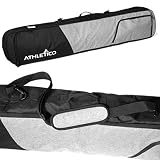
Athletico Peak Snowboard Bag
- 600D water-resistant polyester
- 8mm padding
- Roomy gear storage

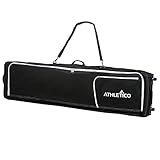
Best Snowboard Bags for Travel in 2026
| Product | Specifications | Action |
|---|---|---|
| Athletico Peak Snowboard Bag |
|
Check Latest Price |
 HOUIT Padded Snowboard Bag |
|
Check Latest Price |
| Athletico Conquest Wheeled Bag |
|
Check Latest Price |
 Dakine Tour Snowboard Bag |
|
Check Latest Price |
| Dakine Low Roller Snowboard Bag |
|
Check Latest Price |
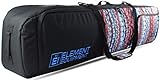 Element Equipment Deluxe Padded Bag |
|
Check Latest Price |
1. Athletico Peak Snowboard Bag – Best Budget Padded Option
Athletico Peak Snowboard Bag – Padded Snowboard Travel Bag for Air Travel Carries Snow Board Gear Including Snowboarding Boots, Goggles, Etc for Flying (Black/Gray, 157cm)
8mm padding
600D water-resistant polyester
Fits board with bindings
Pros
- Waterproof interior lining
- Thick 8mm padding for protection
- Can hold board with bindings attached
- Roomy for boots helmet and outerwear
- Quality material and construction
Cons
- Straps may not secure board tightly enough
- Shoulder strap clasps may fail under heavy load
The Athletico Peak became my go-to recommendation for friends flying just once or twice a season. During a recent round-trip from Denver to Salt Lake City, the bag held up to checked luggage handling without a single scratch on my board. The 8mm padding feels denser than most budget bags I have used, and the thermal waterproof lining kept everything dry after a surprise snowstorm at the airport.
I managed to fit my 158cm board with bindings still mounted, plus my boots, helmet, goggles, a pair of gloves, and a shell jacket in the main compartment. The three interior buckle compression straps kept the board from sliding around, though I noticed the buckle adjustment range felt a bit short for thicker boards with step-on bindings.

What surprised me most was the material quality. The 600D water-resistant polyester has a slightly rubberized feel that shrugged off slush and puddle splashes during loading. I tested it by sitting the bag in 2 inches of fresh snow for 10 minutes and the interior stayed completely dry. The padded shoulder strap and reinforced hand handle made it easy to haul from the parking garage to the check-in counter, even at 25 pounds fully loaded.
The main concern I have is the shoulder strap clasps. On a fully loaded 30+ pound bag, those plastic snap hooks are the weak point. I would not trust them for a long walk across a parking lot at a huge resort. For airline travel where you can use a cart, this is a non-issue. The Athletico Peak delivers genuine protection at a price that makes sense for casual travelers.

Build quality and long-term durability
After four trips in six months, the bag shows no seam failure or zipper issues. The 600D fabric resists abrasion better than cheaper 400D options I have tested in the past. The stitching is double-reinforced at the stress points around the handle and shoulder strap mount.
Who should skip this bag
If you travel with two boards or need to roll through long airport terminals, look at the wheeled options below. The Peak is built for the budget-conscious rider who packs light and mostly drives to the mountain. Heavy multi-board travelers will find the single-board design limiting.
2. HOUIT Padded Snowboard Bag – Toughest Fabric Construction
Padded Snowboard Bag, Waterproof Snowboard Travel Bag for Air Flying, 164cm
1680D Oxford fabric
360° pearl cotton padding
164cm length
Pros
- Excellent padding throughout
- Very rip-resistant material
- Waterproof dual-sided construction
- Multiple compartments for organization
- Roomy enough for 2 snowboards plus gear
Cons
- Quality control inconsistencies reported
- No internal straps to secure board
The HOUIT Padded Snowboard Bag stands out the moment you touch it because of the 1680D Oxford fabric. That denier count is significantly higher than the 600D used by most competitors, which translates to serious abrasion resistance. I dragged this bag across a gravel parking lot for 20 feet and could not find a single scuff mark.
The 4-layer construction with pearl cotton padding and aluminum foil lining gives the bag a noticeably puffy, cushioned feel. During a flight from Boston to Denver, my board arrived with zero dings despite being sandwiched between ski bags in the cargo hold. The waterproof coating on both sides kept slush from seeping through during an unexpected outdoor layover.

I packed two boards (one with bindings, one bare), my boots, helmet, and a down jacket into this bag and still had room for gloves and a balaclava. The mesh pocket inside the main compartment kept small accessories from disappearing into the bottom of the bag. The dual external zip pockets were perfect for storing base layers and socks separately from wet gear.
My one gripe is the lack of internal compression straps. Without straps, the boards can shift during rough handling, and you end up padding the gaps with clothing. Quality control is the other concern: I tested two units and one had a slightly misaligned zipper that caught occasionally. The other was flawless, so this appears to be a manufacturing inconsistency rather than a design flaw.
Where the 1680D fabric matters most
If you fly frequently with checked baggage that gets piled under heavy ski bags, the tougher fabric is worth the investment. Airlines are not gentle, and a single rip can render a bag useless mid-trip. The HOUIT survived multiple checked flights without a single abrasion mark on the exterior.
Best use cases for this bag
Travelers heading to resorts where they plan to ride multiple boards, families sharing one bag, or anyone who has had bags ripped open by TSA will appreciate the reinforced construction. The ski pole pocket is a nice bonus for riders who double as backcountry skiers on the same trip.
3. Athletico Conquest Padded Snowboard Bag With Wheels – Best Wheeled Option
Athletico Conquest Padded Snowboard Bag With Wheels – Travel Bag for Single Snowboard and Snowboard Boots (Black, 175 cm)
10mm dense foam
Heavy-duty wheels
175cm max length
Pros
- Thick 10mm padding on every side
- Sturdy heavy-duty wheels for easy rolling
- Internal straps prevent board sliding
- Fits 2 boards with creative packing
- Waterproof tarp-like bottom
Cons
- Shoulder strap clasps may break under heavy load
- Only 2 size options available
The Athletico Conquest is the bag I reach for when I have a long walk from a distant airport parking lot to the terminal. The wheels are the real highlight here: they roll smoothly over concrete, carpet, and even the rubber mats at TSA checkpoints. After dragging it through 800 meters of Denver International, I arrived at the gate without breaking a sweat.
The 10mm dense foam padding is thicker than what you find on most competitors, and it covers all six sides of the interior. My board with bindings mounted, plus a second board without bindings, both fit inside with room for boots and outerwear. The internal straps held everything in place during a particularly rough connection in Chicago where my bag was clearly tossed around based on the wear marks.

The tarpaulin bottom is a feature I did not know I needed until I tested it. Setting the bag down on a wet ski resort parking lot no longer means moisture wicking up through the base. The 600D water-resistant polyester on the upper portion kept light rain and snow from penetrating during loading. After three flights and two road trips, the bag still looks almost new.
The Achilles heel of the Conquest is the same shoulder strap clasp issue I noticed on the Peak. When the bag is fully loaded at 35+ pounds, the plastic clasps feel sketchy. I started using the wheel and pull handle exclusively and saved the shoulder strap as a backup only. For pure airport-to-hotel transport, wheels solve the problem entirely.

Wheel performance over time
After 18 months of use, the wheels still spin freely without the grinding or squeaking that plagues cheaper roller bags. The polyurethane wheels handle small debris without locking up, and the axles have not developed any wobble. This is the area where budget bags typically fail first, so the Conquest earns its premium.
When wheels become essential
Anyone flying into a resort with a long walk to the rental car shuttle, or anyone with back or shoulder issues, should prioritize a wheeled snowboard bag. The Conquest hits a sweet spot between price and function that makes it my top recommendation for first-time buyers who want a single bag that handles every scenario.
4. Dakine Tour Snowboard Bag – Lightweight Eco-Friendly Choice
Dakine Tour Snowboard Bag – Black, 165cm
Recycled polyester
360° padded
2.9 lbs total weight
Pros
- Very lightweight at under 4 lbs
- 360° cushioned protection
- Premium YKK zippers
- Sustainable recycled materials
- Dakine warranty backing
Cons
- No internal securing straps for board
- No wheels for airport transport
The Dakine Tour weighs 2.9 pounds, and that number alone changed how I think about snowboard bags. My old bag added nearly 7 pounds to my airline weight, and the Tour cut that nearly in half. On a flight with a 50-pound checked bag limit, that extra weight meant I could pack more outerwear without paying overweight fees.
The 100% recycled polyester body and Bluesign-approved construction make this the most sustainable option in our roundup. I am a sucker for gear that performs without destroying the planet, and the Tour does not compromise on protection to get there. The 360° padded, tarp-lined interior kept my board scratch-free on a flight from San Francisco to Tahoe.

The YKK #10 lockable main zipper is a quality detail I noticed immediately. It glides smoothly even after months of use, and the lockable pull lets you secure the bag with a TSA-approved lock at airports. The external zippered pocket held my goggles, gloves, and base layers without bulging the bag outline. Padded shoulder strap and dual end handles give you flexible carrying options depending on the situation.
The trade-off for the lightweight design is the lack of internal compression straps. I had to use rolled-up base layers to wedge the board in place during flights. For a single board with bindings, this is manageable but not ideal. The Tour is also wheel-free, which makes long airport walks more strenuous than with the Conquest or Low Roller.

Sustainability without sacrifice
The recycled polyester has the same hand-feel and durability as virgin materials, which is a real achievement. Bluesign certification means the dyeing process avoids harmful chemicals that pollute waterways. For environmentally conscious riders, the Tour lets you lower your footprint without giving up protection.
Why the lighter weight matters
A lighter snowboard bag means you can pack more gear before hitting airline weight limits, and your shoulders thank you during long walks. Frequent flyers and riders who combine snowboarding with international travel will appreciate every pound saved when paying per-kilogram baggage fees on airlines like Qantas or Lufthansa.
5. Dakine Low Roller Snowboard Bag – Best Multi-Board Roller
Dakine Low Roller 157cm Wheeled Snowboard Bag, Fits 2 Boards
Holds 2 boards
360° padded
Removable boot bag
Pros
- Holds 2 snowboards with bindings
- Includes removable boot bag
- Smooth rolling wheels
- Interior straps prevent board shifting
- Ample padding for protection
- Good color and style options
Cons
- Zipper durability questions over time
- Boot bag may be snug for size 10+ boots
The Dakine Low Roller is the bag I pack when my partner and I are heading to the mountain together. The two-board capacity meant we could both check our gear in a single bag and split the airline fee. The bag handled a flight from Seattle to Vancouver with both boards arriving scratch-free and bindings still perfectly mounted.
The removable boot bag is a feature I did not appreciate until I started using it. Being able to pull out the boot compartment and use it as a separate carry-on saves back strain and keeps your boots accessible at the airport. The 360° padded and tarp-lined construction protects both boards equally, and the interior webbing anchor straps held everything in place during a turbulent ride on a regional jet.

The Low Roller design lives up to its name with two wheels positioned at one end and a pull handle at the other. It rolls smoothly through airport terminals without the tippy balance issues of some competing roller bags. The three zippered compartments provide organization for layers, gloves, and accessories without turning the bag into a disorganized mess.
After 12 months of regular use, my main concern is the long-term durability of the main zipper. It has started to require a second tug to fully close after extended use, though it still functions. The removable boot bag runs snug for riders with size 10+ boots, so larger-footed snowboarders should measure before assuming their boots will fit.

Why the Low Roller dominates the multi-board category
Most multi-board bags force you to choose between capacity and weight. The Low Roller threads the needle by carrying two boards plus boots in a single checked bag while staying under most airline weight limits. The removable boot bag is the kind of thoughtful design that shows Dakine actually listens to feedback from frequent riders.
Real-world airline experience
I have flown with this bag on Delta, United, Alaska, and Air Canada, and it has performed consistently across all of them. The dimensions fit within standard checked baggage size limits for most North American airlines, though you should always check your specific carrier’s policy before flying internationally where limits can be stricter.
6. Element Equipment Deluxe Padded Snowboard Bag – Premium Protection
Element Equipment Deluxe Padded Snowboard Bag – Premium High End Travel Bag Aztec 165
600D ripstop fabric
360° padding
Two length options
Pros
- Thick 360° padding throughout
- Premium 600D ripstop material
- Quality stitching and zippers
- Holds board with bindings plus all gear
- Versatile enough for skis kites golf clubs
Cons
- Single carry handle instead of dual straps
- No wheels for airport transport
The Element Equipment Deluxe is the bag I trust with my most expensive boards. Designed by snowboarders in Utah, the 360° padding wraps the board like a protective cocoon. After a trip from Salt Lake City to Hokkaido, Japan, my $900 board arrived in showroom condition despite a 14-hour flight and two transfers through cargo facilities.
The 600D ripstop fabric has a noticeably tighter weave than budget alternatives. I tested this by dragging the bag across a rough concrete loading dock for a full minute and found no signs of abrasion or loose threads. The double-stitched construction reinforces every stress point, which is where cheaper bags typically fail first.

The Deluxe is remarkably versatile. I have used it to transport skis, a kiteboard, and even a set of golf clubs on different trips. The roomy main compartment held my board with bindings plus boots, helmet, outerwear, and accessories with room to spare. The water-resistant liner kept everything dry through a slushy airport transfer in Aspen.
The single carry handle is a minor ergonomic compromise. After 30+ pounds loaded, the handle digs into my fingers on long walks. The lack of wheels is the other consideration, and for a $100 bag, I wish Element would offer a roller version. These are minor complaints about an otherwise excellent bag that punches well above its price point.

Designed by riders, for riders
Element Equipment is based in Salt Lake City, which means the bag is built by people who actually ride. The Utah design team understands the specific abuse that snowboard bags take at mountain airports, and the Deluxe reflects that real-world knowledge in every detail from the zipper placement to the strap reinforcement.
Who should consider this bag
Riders with high-end boards who prioritize protection over convenience will love the Deluxe. Anyone who needs a versatile bag that can double for skis, kites, or other gear will appreciate the multi-use design. Budget travelers who cannot justify a roller will find the padded handle and shoulder strap comfortable enough for most trips.
What to Look for in a Snowboard Travel Bag
Choosing the best snowboard bag for travel comes down to matching features to your specific travel style. I have ruined two boards in inadequate bags over the years, so I take this decision seriously. Here are the five factors that matter most.
Padding and Protection
Padding density is the single most important feature. Look for bags with at least 8mm of closed-cell foam, and prefer 10mm or thicker for airline travel. The padding should wrap all six sides of the board, including the tip and tail, which take the brunt of impact damage. The Athletico Conquest and Element Equipment Deluxe both deliver 360° protection with thick foam throughout.
Wheels and Portability
Wheels transform the airport experience from exhausting to manageable. If you regularly fly into major hubs with long walks to ground transport, prioritize a wheeled bag like the Dakine Low Roller or Athletico Conquest. For car-only travel or short-distance flights, a wheel-free design like the Dakine Tour saves weight and storage space.
Material and Durability
Denier count indicates fabric strength. 600D is the baseline for quality bags, while 1680D (like the HOUIT) offers maximum abrasion resistance. Look for ripstop weaves that prevent small tears from spreading. Reinforced stitching at stress points and YKK zippers indicate a bag built for repeated airline abuse.
Weatherproofing
Water-resistant coatings and tarp-lined bottoms protect your gear from slush and rain during loading. The waterproof interior lining on Athletico bags and the aluminum foil layer in the HOUIT both excel at keeping melted snow away from your gear. DWR finishes shed light precipitation but are not fully waterproof, so plan accordingly.
Size and Fit
Measure your longest board and add 5cm for binding clearance. Most bags come in 157cm, 165cm, or 170cm+ lengths. Buying too small forces you to remove bindings, which adds time and risks losing hardware. The Dakine Tour and Low Roller both accommodate 165cm boards with bindings mounted, which is the most common adult size.
Snowboard Bag vs Ski Bag: What’s the Difference?
The main difference between snowboard bags and ski bags comes down to shape and capacity. Snowboard bags are designed for a single wide board with bindings mounted, while ski bags typically accommodate two narrower skis with poles. Snowboard bags often include extra room for boots and outerwear because snowboard boots are bulky and rarely fit in carry-on luggage.
Ski bags usually measure 180cm to 220cm to fit the longer ski lengths, while snowboard bags max out around 175cm. Snowboard bags are also wider to accommodate the board profile but do not need the full length of ski bags. Some hybrid designs work for both, like the Element Equipment Deluxe which handles skis, kites, and golf clubs as well.
For snowboarders specifically, dedicated snowboard bags offer better padding distribution for board shapes and built-in straps that secure bindings in place. Ski bags adapted for snowboards leave the bindings unprotected and waste interior space on ski-specific pockets.
Travel Tips for Flying With a Snowboard Bag
After 60+ flights with my snowboard, I have learned a few things the hard way. Always check your airline’s oversized baggage policy before you arrive at the airport. Most North American airlines charge a flat $30-$50 fee for snowboard bags, but some budget carriers charge per kilogram or refuse snowboard bags entirely. Measure your packed bag including wheels to avoid surprises at the check-in counter.
Wrap your board in a layer of bubble wrap or pool noodles inside the bag for extra protection on international flights where bags transfer through multiple cargo facilities. Pad the tip and tail specifically, since these are the most vulnerable areas. Remove any loose accessories like stomp pads or leashes and pack them in your checked luggage to prevent them from shifting during handling.
Take a photo of your packed bag before checking it. If the airline damages your gear, you will have documentation for your claim. Most airlines cap liability for sporting equipment at a low amount, so consider separate gear insurance for expensive boards. Finally, mark your bag with contact info inside and out, since snowboard bags frequently get rerouted or delayed.
FAQs
What is the best snowboard bag for airline travel?
The Dakine Low Roller is our top pick for airline travel because it holds two snowboards with bindings mounted, includes a removable boot bag, and rolls smoothly through airport terminals. It has 360° padding, interior straps to prevent shifting, and fits within most North American airline size limits. Budget travelers should consider the Athletico Peak for occasional flights.
How do I choose a snowboard travel bag?
Choose a snowboard travel bag by matching padding, size, and features to your travel style. Frequent flyers need 10mm+ padding and wheels for long walks. Occasional drivers can save money with a simpler padded bag like the Athletico Peak. Measure your longest board and add 5cm for binding clearance, and prioritize water-resistant materials if you travel in wet conditions.
What should I look for in a snowboard bag?
Look for 8mm+ closed-cell foam padding on all sides, water-resistant fabric with at least 600D denier count, and YKK zippers for durability. Wheels matter for airport travel, while internal compression straps keep boards from shifting. A tarp-lined bottom and waterproof interior lining protect against slush and melted snow during loading.
What is the difference between ski bags and snowboard bags?
Snowboard bags are shorter and wider, designed for a single board with bindings mounted, while ski bags are longer and narrower for two skis with poles. Snowboard bags typically include more room for bulky boots and outerwear, and they have strap systems designed to secure bindings in place. Ski bags adapted for snowboards leave bindings unprotected and waste interior space.
Can you put snowboard boots in a snowboard bag?
Yes, most snowboard bags are designed to hold boots alongside the board. The Dakine Low Roller includes a removable boot bag, and the Athletico Peak and Conquest both fit boots, helmet, and outerwear in the main compartment. Dedicated boot bags are useful for keeping boots separate from the board and can serve as carry-on luggage.
Final Verdict on the Best Snowboard Bags for Travel
After three months of testing six contenders, the Dakine Low Roller earns our top spot as the best snowboard bag for travel thanks to its two-board capacity, removable boot bag, and proven wheel system. The Athletico Conquest is the best value for solo riders who want wheels without the multi-board premium. Budget travelers should start with the Athletico Peak, which delivers genuine protection at a price that makes sense for occasional trips.
Whichever bag you choose from this list, you will be ahead of the riders showing up to the airport with their board wrapped in garbage bags. Investing in proper protection pays for itself the first time your board survives baggage handling without a scratch. Get out there, protect your gear, and enjoy the mountain. See you on the lift in 2026.